
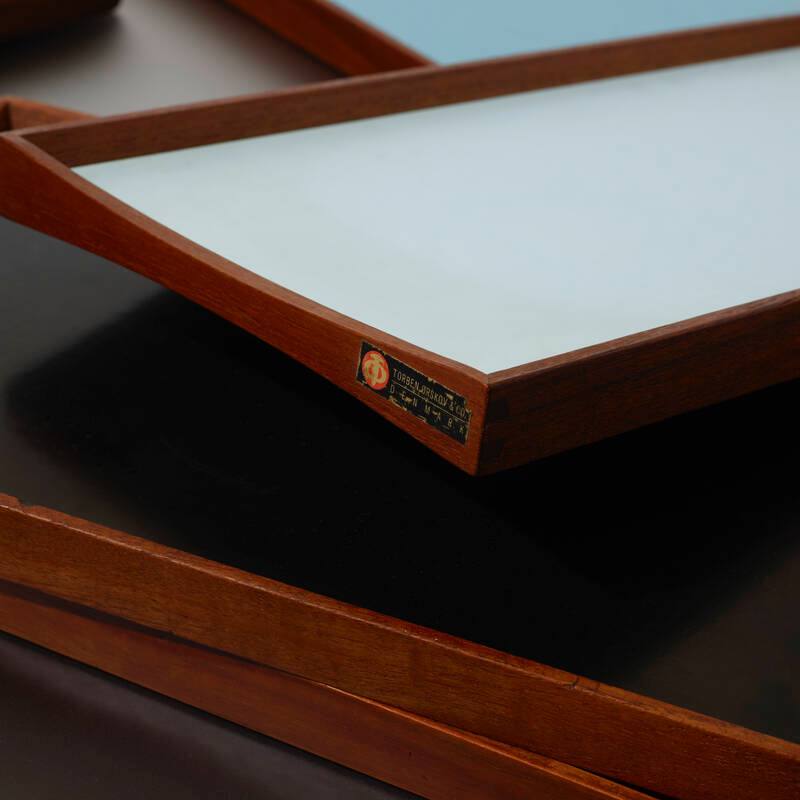
Сдается нам, что за три с половиной года мы ни разу не делились с вами модернистскими воплощениями такого утилитарного и, как правило, незаметного предмета, как корзина для бумаг. Исправляемся и публикуем работу датчанки Грете Корнеруп-Банг (в девичестве Оппенхойзер). Эта стальная корзина с оторочкой из тростника интересна тем, что она была если не первым, то одним из первых изделий, с которых началась история известной нам компании «Torben Ørskov», основанной в 1953 г.
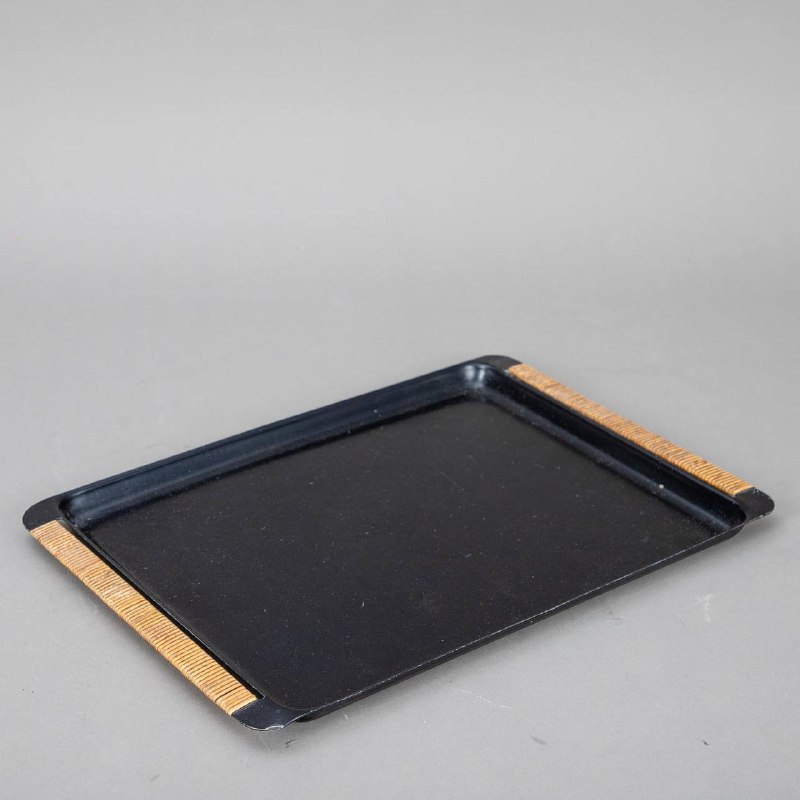
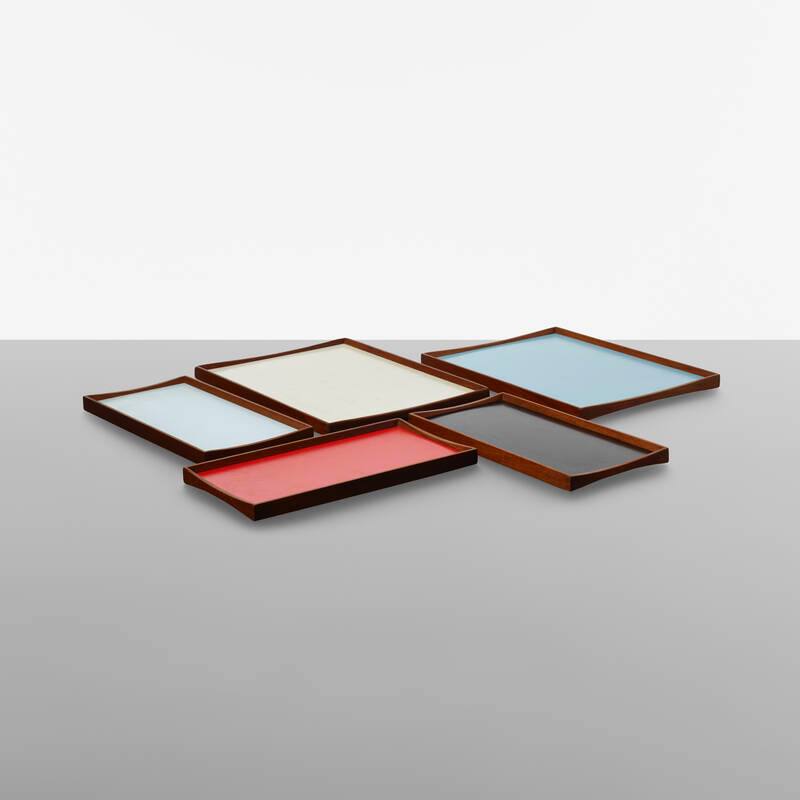
Грете Банг была архитектором и не занималась созданием предметов обихода, но для Торбена Орскова сделала исключение, возможно, потому что, как утверждается, была сестрой его невестки. Правда, подтверждения тому, что Банг и Орсков были родственниками, мы не нашли, как не обнаружили и свидетельств того, что соавтором Банг по этому проекту был Финн Юль. Возможно, имя Юля появляется вместе с именем Банг или вместо него, поскольку Орсков действительно сотрудничал с Юлем: в частности, последний спроектировал для датского бренда поднос из эмалированной стали с аналогичной «оторочкой», а позднее – серию двусторонних подносов, но это уже другая история.
———
It has just occurred to us that, in the three and a half years of our daily posting, we have never published mid-century examples of something as utilitarian and inconspicuous as paper bins, so here comes a rare piece by Danish architect Grethe Kornerup-Bang (nee Oppenheuser). Remarkable in its own right, this wastepaper basket is also an important object in the context of the Golden Age of Danish design as it was a or the starting point for Torben Ørskov, a successful Danish brand founded in 1953.
Grethe Bang was a professional architect and supposedly never ventured into the realm of household furnishings. This bin was an exception or probably even a concession to Ørskov whom she was related to. We have, however, failed to find any proof that Bang was the sister of Ørskov’s sister-in-law. Nor have we seen any evidence that this paper bin was a joint effort by Bang and her better-known fellow countryman, Finn Juhl, whom this design is often attributed to, sometimes with no mention of Grethe Bang. This (mis)attribution may have likely originated from the bin’s likeness to another household item Juhl designed for Torben Ørskov at around the same time, a serving tray made of the same enameled steel and cane. As a side note, Juhl did collaborate with Torben Ørskov on other occasions, producing a number of reversible trays in 1957.
(photos: orskov.com, wright20.com, quittenbaum.de, nasjonalmuseet.no, auctionet.com, theexchangeint.com, pba-auctions.com, triodedesign.com)
Post #15833
2.11K





- 👍 27
- ❤ 19
- 🔥 6