Homeopathy has 500 million practitioners worldwide, a Nobel Prize winner credited it as the inspiration for the first diphtheria vaccine, and a century ago there were more than 100 homeopathic hospitals in the United States. Then pharmaceutical money reshaped medical education, and it was largely erased from mainstream practice.
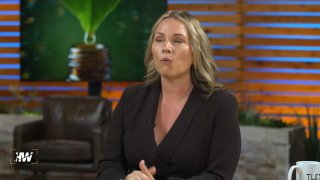
Melissa Kupsch, founder of Remedy Collective and one of the most prominent voices in homeopathy in independent media, joins Del to walk through the foundational principles, the clinical evidence, and what she is seeing in practice among vaccine-injured patients.
The conversation covers what homeopathy actually is at a biochemical and energetic level, why the conventional critique that it is "just a sugar pill" misunderstands the mechanism, and how research on Arnica Montana under a petri dish is showing measurable effects on macrophage activity that is then being systematically retracted from journals. A study published in the European Journal of Pediatrics showing children who received homeopathic treatment in their first 24 months had less sickness, less antibiotic use, and were actually taller than controls was pulled years after publication and 60,000 downloads.
On vaccine injury specifically, Kupsch explains the homeopathic detox process: feeding back the energetic frequency of a specific vaccine constituent to stimulate the body's recognition and healing response. She describes the "never well since" framework used to identify the origin point of a patient's decline, which in practice frequently traces to a vaccination or other medical intervention. A woman with weekly migraines for eight years following an epidural had them resolve completely after the frequency of the labor medication was fed back homeopathically.
Del connects this to what he hears most consistently from parents of children with autism: dietary changes and homeopathics are the two interventions that come up most often in recovery stories. Kupsch also covers the history of homeoprophylaxis, including Cuba's use of it for 9.8 million people during a swine flu outbreak that saw only a handful of cases, and the Finlay Institute's leptospirosis program, which reached 2.2 million people and saw a steep decline in cases following its introduction.
@delbigtree