🧠
Researchers in China have launched a new system that uses magnetic resonance imaging to read and modulate brain activity. This setup moves the field forward by shifting away from standard electroencephalography, or EEG, which has been the primary method for tracking neural signals for years. 📡
Most current brain-computer interfaces, or BCIs, use EEG to catch these signals. Think of EEG like wearing a swim cap with sensors that pick up the weak electrical hum on your scalp. It is fast but often blurry, similar to trying to hear a specific conversation in a crowded stadium. This new MRI-based technology instead scans the brain's internal structure and blood flow. It offers a much clearer picture of neural activity without needing to place physical sensors directly on the head.
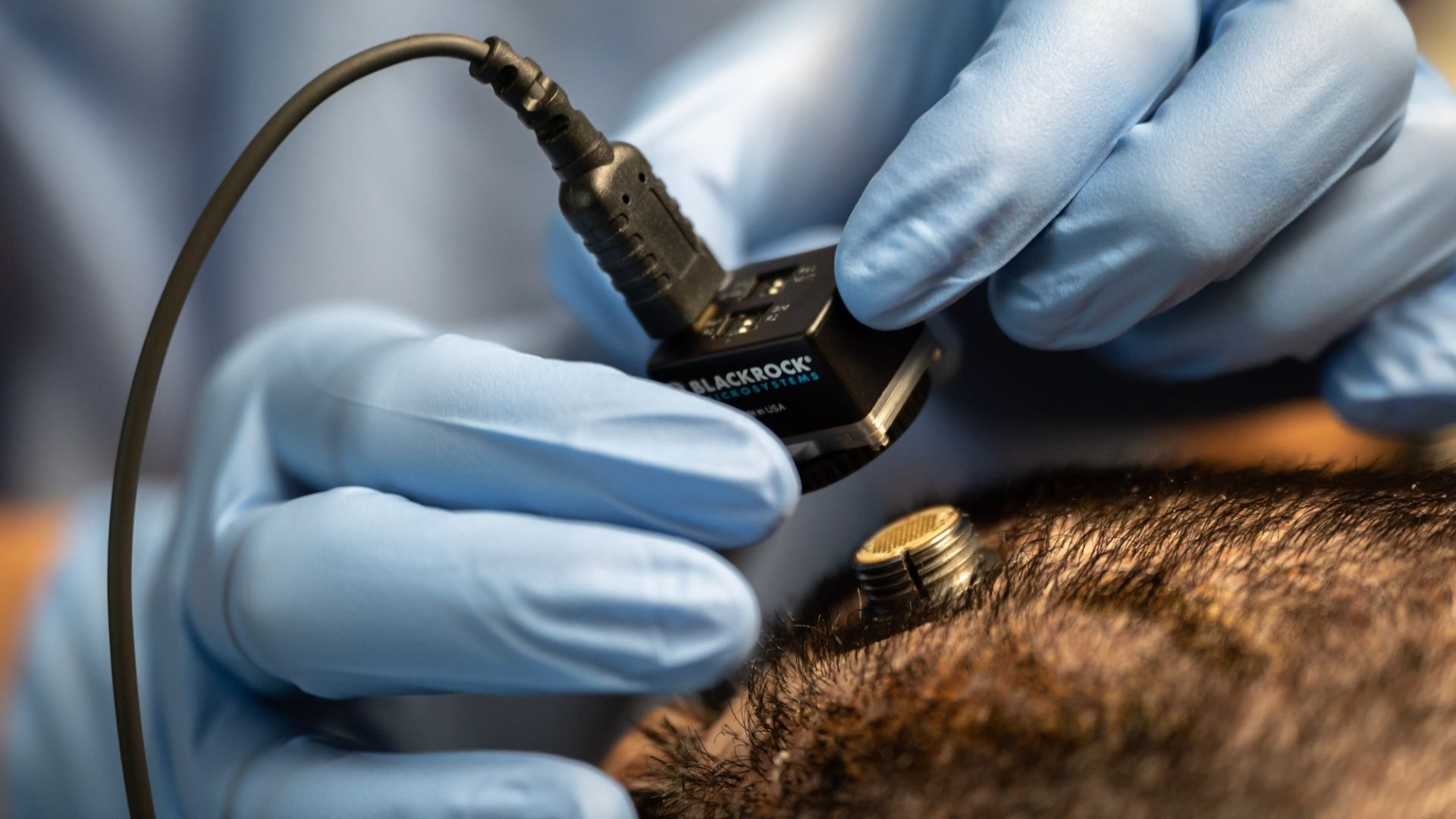
Compared to the invasive chips developed by companies like Neuralink, which require surgery to place electrodes directly into brain tissue, this MRI approach is completely non-invasive. It creates a high-fidelity link between the brain and a computer while leaving the user's skull intact. This highlights a clear divergence in the industry: while some pursue surgical precision, others are finding ways to unlock the brain's data from the outside. ⚡
The barrier between mind and machine is getting thinner.
#tech #science #BCI
Interesting Engineering
Subscribe