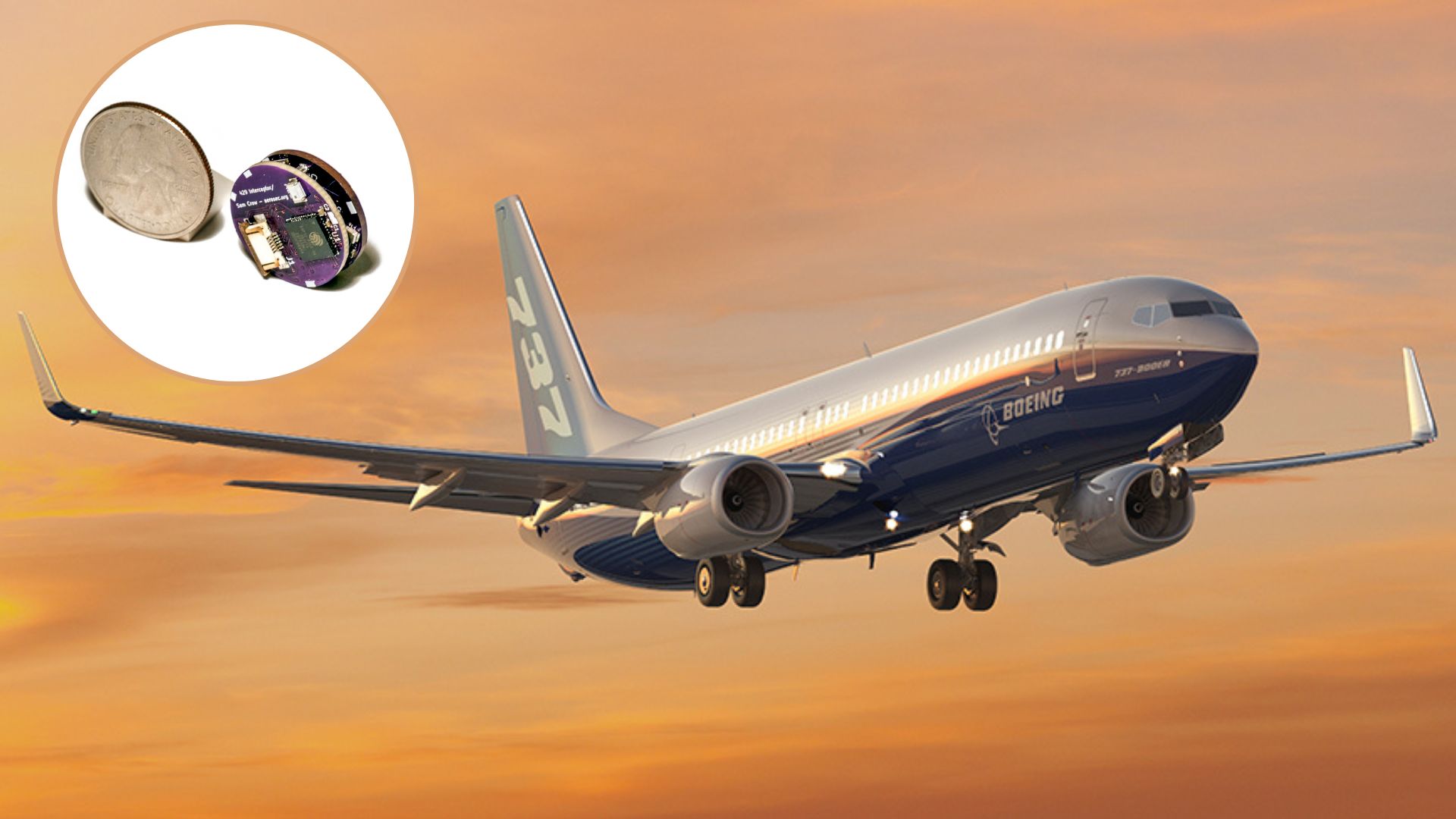
Researchers from UC San Diego and Oberlin College have proven that a tiny device, installed in under 60 seconds, can alter a plane's navigation. This vulnerability affects Boeing 737 Next Generation and 737 MAX variants, showing that modern avionics rely heavily on physical security at the airport.
The attack is surprisingly simple: a person with access to the outside of the plane opens a maintenance hatch, reaches a connector, and plugs in their gadget. The device then intercepts signals between the onboard computer and the pilot's controls.
This equipment mimics legitimate signals to trick the flight management system, allowing the intruder to modify waypoints without alerting the crew.
While the Boeing 737 remains a staple of global travel, similar to how the Airbus A320 is used by countless airlines for short-to-medium range flights, this finding highlights a gap in how these systems are protected. It is a clear reminder that complex software security means very little if the physical port is left unguarded.
Physical access is the ultimate backdoor.
#Boeing #aviation #security
Interesting Engineering
Subscribe