TGViewer
NeuroInk Lab NeuroInk Lab @neuroinklab · 498 subscribers
Post #367 85
NeuroInk Lab Developmental xenocortication using human-derived organoids in mice Abstract The inaccessibility of human brain tissue limits the study of human development and function, a challenge that human stem-cell-derived neural models are beginning to address1,2.…
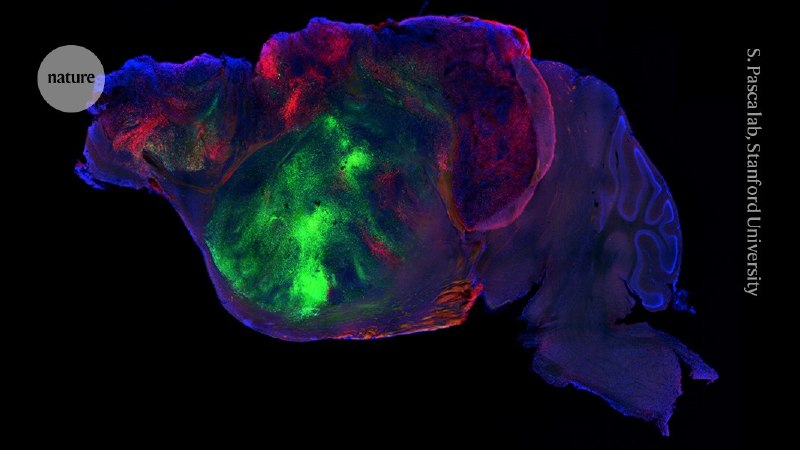
Human brain cells transplanted into mice in ‘most extensive’ integration ever

Human brain tissue transplanted into mice that lack a key part of their brains can grow to occupy most of the vacant space and wire into the animals’ nervous systems.
That’s according to a study published on 16 September in Nature1, which describes the most extensive integration of human brain cells into an animal so far. The experimental strategy overcomes hurdles that have long stymied researchers studying neuropsychiatric illness in laboratory-grown brain tissue.

#Nature_news
Nature Human brain cells transplanted into mice in ‘most extensive’ integration ever Nature - Lab-grown organoids wire into mice missing a key part of their brain, offering a new way to test drugs for developmental conditions.
More from @neuroinklab
  1. Sep 29, 2026این مدل ارائه شده توسط آقای Monuz در سال 2002، نمای کلی شبکه‌ تولید ساکاد را نشان می ‌دهد.…
  2. Sep 28, 2026‏مطالعات قدیمی نشان داده بودند که پس از آسیب دائمی به FEF یا SC، توانایی ایجاد ساکاد ب…
  3. Sep 28, 2026🔬🧠 دانشگاه فردوسی مشهد کنگره ملی مهندسی پزشکی، هوش مصنوعی و علوم شناختی National Congres…
  4. Sep 27, 2026Developmental xenocortication using human-derived organoids in mice Abstract The inaccessi…
  5. Sep 24, 2026چرا وقتی بخشی از SC راست را غیرفعال می‌کنیم، چشم به سمت راست جا به ‌جا می‌شود اما همچنان م…
  6. Sep 23, 2026Competition between saccade goals in the superior colliculus produces saccade curvature Ab…
Threads Profile ViewerView any public Threads profile without an account.Open ThreadLook →Writing with AI? Make it sound human.Metric37 rewrites AI drafts so they read naturally. Free AI detector, 1,500 words free.Try Metric37 →