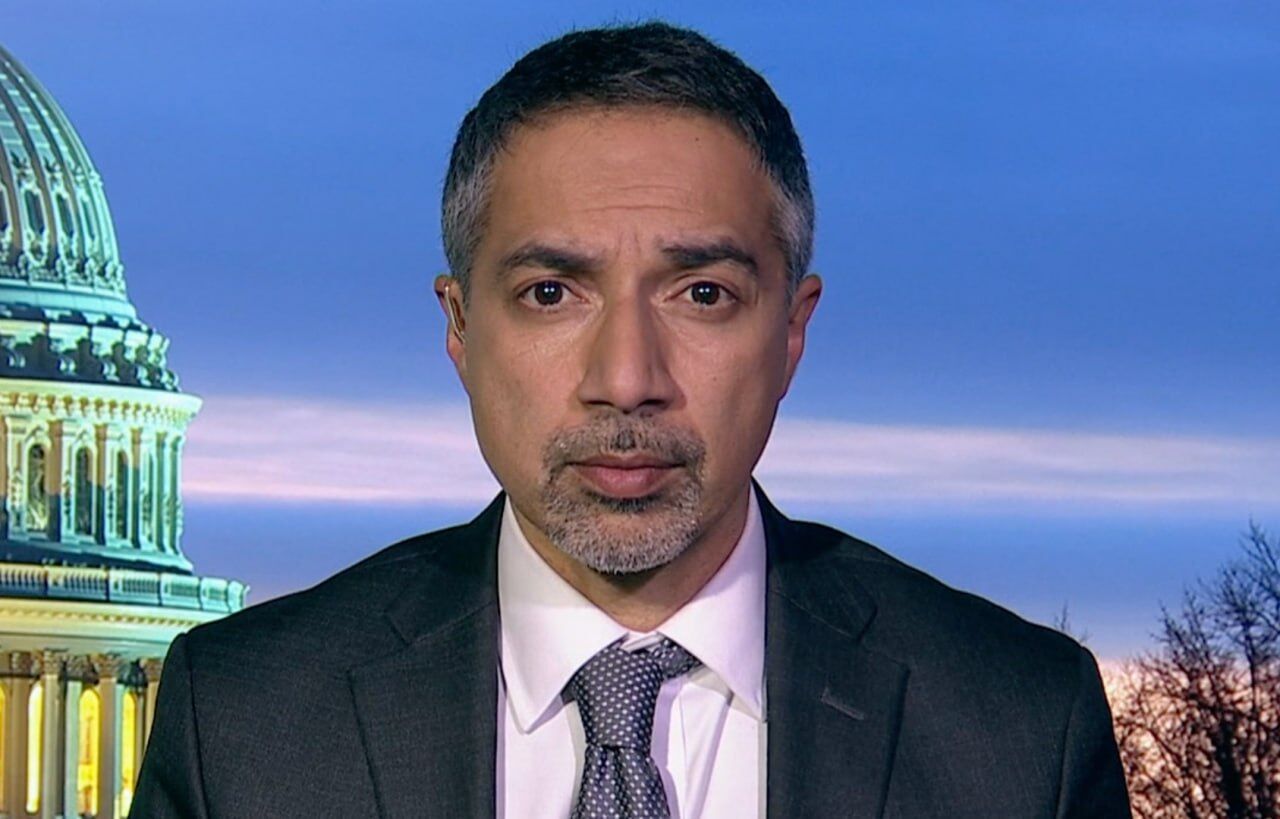
📌 New York, IRNA — Trita Parsi, executive vice president of the Quincy Institute in Washington, D.C., says tensions between Iran and the United States are rooted in competition for regional power and dominance, rather than ideological differences.
In an exclusive interview with IRNA, Parsi addressed US Secretary of State Marco Rubio’s anti-Iran remarks in Greece, which targeted Iran and its ancient civilization, as well as President Donald Trump’s threats and Washington’s confrontational policies.
Parsi said the Cold War and Washington’s rivalry with the Soviet Union once helped temper US dissatisfaction with Iran’s independent policies. After the Cold War, however, the United States sought military hegemony in the Persian Gulf, making the struggle for power in the Middle East a central driver of tensions, he said.
As the confrontation has intensified, its underlying nature has become increasingly apparent, Parsi added. He said it would be naive to believe that Washington’s motivation was to help the Iranian people.
Asked whether the naval blockade and expanded sanctions against Iran complied with international humanitarian law, given their effects on access to food and medicine, transportation and aviation safety, Parsi said there was a strong argument that sanctions, deliberately intended to impoverish the population, constituted war crimes.
He added that Israel and the United States had already severely undermined international humanitarian law.
Parsi said he saw no scenario in which the international community would take meaningful action to halt Washington’s policies toward Iran. However, he argued that China could prevent a third round of war, warning that the opportunity was rapidly slipping away.
📲 @Irna_en