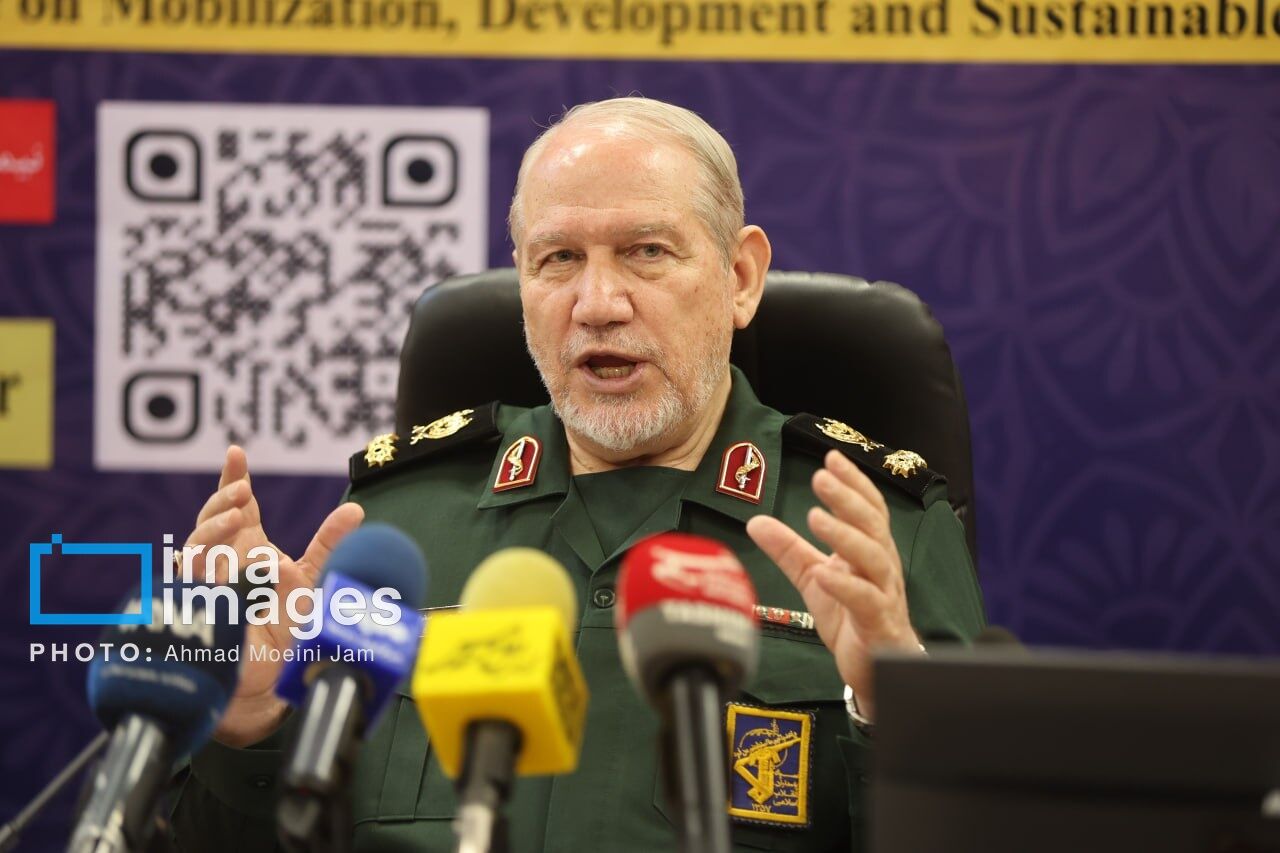
📌 Tehran, IRNA – Major General Yahya Rahim Safavi, head of the Shaheed Hajj Qassem Soleimani Research Institute of Sacred Defense Sciences and Teachings, says Iran’s main strategy for the Strait of Hormuz was its intelligent management in response to the US naval blockade against the country.
Speaking at a specialized scientific meeting on geographical requirements shaping the Strait of Hormuz defense strategy, Safavi said the waterway was an inseparable part of Iran’s territorial waters and that the country’s authority over it was a legal and geographical right.
He said Iran did not seek to escalate tensions but would firmly exercise its sovereignty. When the passage is used to transport military equipment directly threatening Iran’s national security, managing and restricting traffic becomes a strategic duty, he added.
Safavi dismissed suggestions that pipelines and alternative routes had reduced the strait’s importance, describing it as a strategic chokepoint in global energy networks. More than 20 percent of the world’s oil and energy flows still pass through the waterway, he said, adding that its importance had grown amid volatile global markets.
Distinguishing between closing the strait and managing it, Safavi said Iran’s approach aimed to counter the US naval blockade, address maritime sanctions and help establish lasting regional peace and security with the participation of regional countries.
The meeting was organized by the Strategic Geography Research Group of the institute’s Sacred Defense Research Center, with Safavi and defense, legal, and geopolitical experts in attendance.
📲 @Irna_en