Empowering you to write in English: from IELTS to novels 🦋
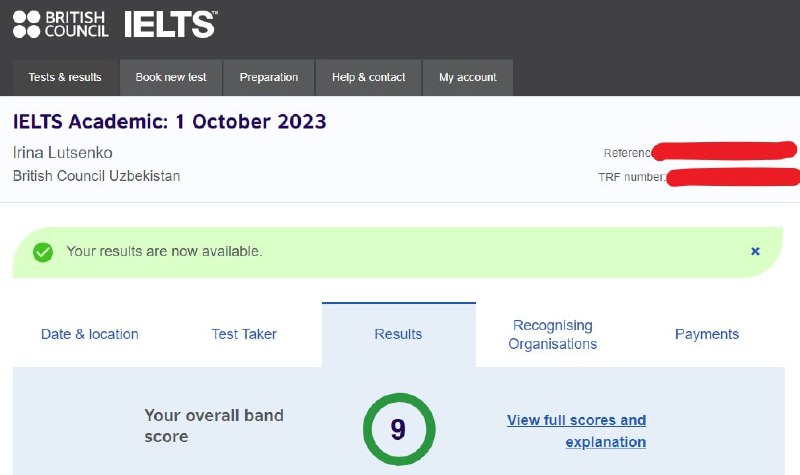
- IELTS 9 x4 (W8.5 x3)
- Alumna of 3 exchange programs in 🇺🇸 💎
- ELT degree, 22y teaching, 1y at university in 🇺🇸
- Speaker at TESOL 2024 🇺🇸 and ELT events 🇷🇺
- I write 💜
@iraluts
Post #302
1.18K
📝 Writing a winning grant application 📝
Last week we conducted two webinars on writing grant applications. "We" is a stellar team - Elizaveta Zanozina, Mariia Merziiapova, and myself - with a bunch of grant awards under our belts.
We got some great questions I want to answer publicly.
1️⃣ Is it difficult to win a grant?
Not really. The thing about winning a grant is you don't actually know how that happens - you don't see the other applicants, you don't see their writing, you don't see the decision makers. What you do to win is just submit your writing and then go about your life. Is that difficult? No.
If you writing is successful, you'll get to the interview stage. Is this stage difficult? It might be for some types of people, for example, for introverts like myself. But, anyway, you show up, smile, and just answer the questions. We survived.
2️⃣ Did any professional teachers or writers read your applications?
No, none of us had our writing read by anyone.
But it's a good idea to have your writing read by:
- previous or current program participants: they can give you insight as to whether your application matches the program mission;
- professional writers or writing teachers: they can help you make sure your writing is smooth and readable;
- your friends and/or colleagues: they can help you make sure your personality shines through in your writing.
3️⃣ Where do I get inspiration for the letter of motivation? Are there some websites I can look at?
The most important source of inspiration should be your life. I personally believe it's a bad idea to google how to write letters of motivation or even to read other people's essays. Everything you find online will also be found by other potential participants. Tap into your own inner resources and make your application unique. The decision makers read hundreds of applications. It will play in your favor to stand out.
Last week we conducted two webinars on writing grant applications. "We" is a stellar team - Elizaveta Zanozina, Mariia Merziiapova, and myself - with a bunch of grant awards under our belts.
We got some great questions I want to answer publicly.
1️⃣ Is it difficult to win a grant?
Not really. The thing about winning a grant is you don't actually know how that happens - you don't see the other applicants, you don't see their writing, you don't see the decision makers. What you do to win is just submit your writing and then go about your life. Is that difficult? No.
If you writing is successful, you'll get to the interview stage. Is this stage difficult? It might be for some types of people, for example, for introverts like myself. But, anyway, you show up, smile, and just answer the questions. We survived.
2️⃣ Did any professional teachers or writers read your applications?
No, none of us had our writing read by anyone.
But it's a good idea to have your writing read by:
- previous or current program participants: they can give you insight as to whether your application matches the program mission;
- professional writers or writing teachers: they can help you make sure your writing is smooth and readable;
- your friends and/or colleagues: they can help you make sure your personality shines through in your writing.
3️⃣ Where do I get inspiration for the letter of motivation? Are there some websites I can look at?
The most important source of inspiration should be your life. I personally believe it's a bad idea to google how to write letters of motivation or even to read other people's essays. Everything you find online will also be found by other potential participants. Tap into your own inner resources and make your application unique. The decision makers read hundreds of applications. It will play in your favor to stand out.
- ❤ 16
- ⚡ 2
- 🔥 1