This post (sticker, poll or similar) has no web preview. Open in Telegram
- ❤ 5
 ЕЖ
ЕЖ @ezhipalka
This post (sticker, poll or similar) has no web preview. Open in Telegram
This post (sticker, poll or similar) has no web preview. Open in Telegram
This post (sticker, poll or similar) has no web preview. Open in Telegram
This post (sticker, poll or similar) has no web preview. Open in Telegram
This post (sticker, poll or similar) has no web preview. Open in Telegram
This post (sticker, poll or similar) has no web preview. Open in Telegram
This post (sticker, poll or similar) has no web preview. Open in Telegram
This post (sticker, poll or similar) has no web preview. Open in Telegram
This post (sticker, poll or similar) has no web preview. Open in Telegram
This post (sticker, poll or similar) has no web preview. Open in Telegram
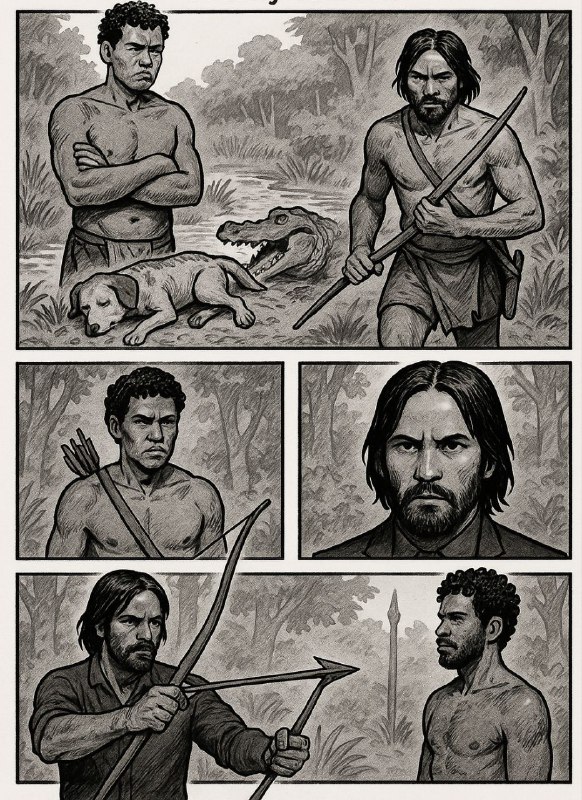
Dodo allowed Tanggay’s dog to be eaten by a crocodile[1]

It appears that schizophrenia is very rare or completely absent in people with hunter-gatherer lifestyles (Dohan et al., 1984, Hollan and Wellenkamp, 1994, Hollan and Wellenkamp, 1996, Keyes, 1986, Schieffelin, 1986, Seligman, 1929).

In addition, the Eskimos have a word, kunlangeta, which means "his mind knows what to do but he does not do it." This is an abstract term for the breaking of many rules when awareness of the rules is not in question. It might be applied to a man who, for example, repeatedly lies and cheats and steals things and does not go hunting and, when the other men are out of the village, takes sexual advantage of many women-someone who does not pay attention to reprimands and who is always being brought to the elders for punishment. One Eskimo among the 499 was called kunlangeta. When asked what would have happened to such a person traditionally, an Eskimo said that probably "somebody would have pushed him off the ice when nobody else was looking." This suggests that permissiveness
Кроме того, у эскимосов есть слово kunlangeta, которое означает: «его разум знает, что нужно делать, но он этого не делает». Это абстрактный термин, обозначающий нарушение множества правил, при этом осознание этих правил не ставится под сомнение. Он может применяться к человеку, который, например, постоянно лжет, обманывает, ворует, не охотится, а когда другие мужчины покидают деревню, пользуется женщинами — к тому, кто не реагирует на замечания и кого постоянно приводят к старейшинам для наказания. Один из 499 эскимосов был назван kunlangeta. Когда их спросили, что традиционно происходило с такими людьми, один эскимос ответил, что, вероятно, «кто-нибудь столкнул бы его с льдины, пока никто не смотрит».
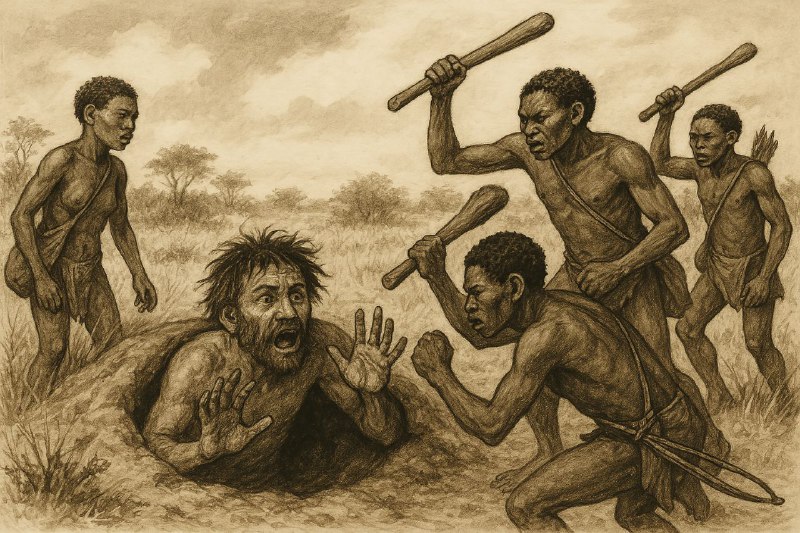
The Ju/wasi were, I think, understandably disturbed by signs of mental illness, which accounts for another killing that I learned of. A man went off alone into the veld and crawled into an aardvark burrow. Obviously, he was not entirely sane. When people passed by, he would burst out of the burrow and shout at them. The passersby were very startled, of course, which others later said was the disturbed man’s intent—he wanted only to scare them away, not to hurt them. Nevertheless, the people pondered what to do about this man in his burrow and eventually decided that he was too dangerous. So a few of the men sought him out and killed him.
Я думаю, что ю/васи вполне понятно были встревожены признаками психического расстройства, что объясняет ещё одно убийство, о котором мне стало известно. Один мужчина ушёл один в вельд и заполз в нору трубкозуба. Очевидно, он был не совсем в своём уме. Когда мимо проходили люди, он выскакивал из норы и кричал на них. Прохожие, конечно, сильно пугались, и, как позже говорили другие, именно этого он и добивался — хотел только напугать, а не причинить вред. Тем не менее, люди задумались, что делать с этим человеком, и в конце концов решили, что он слишком опасен. Тогда несколько мужчин пошли к нему и убили его.


