
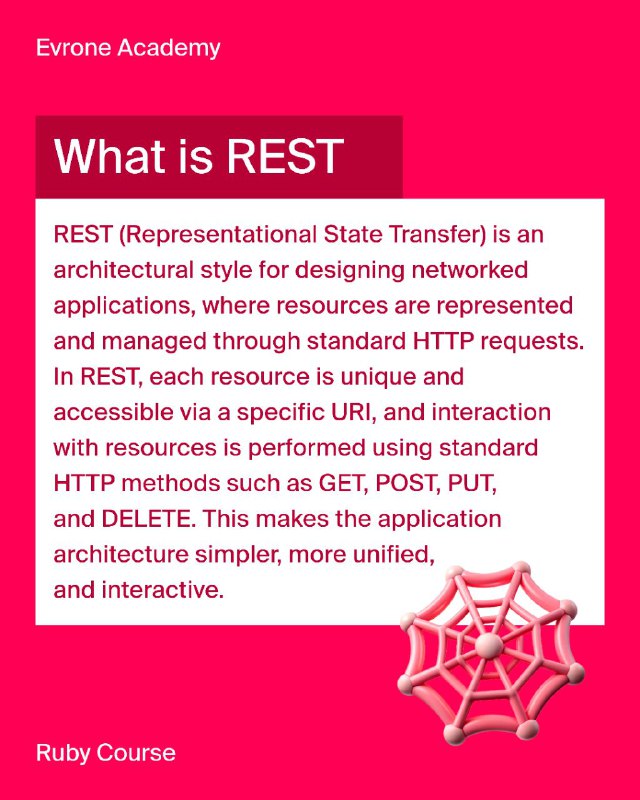
Today, we begin an exciting series of posts dedicated to one of the cornerstone features of the Ruby on Rails framework — routing. In this first part, we will delve into the depths of the architectural principle that underpins it — REST (Representational State Transfer).
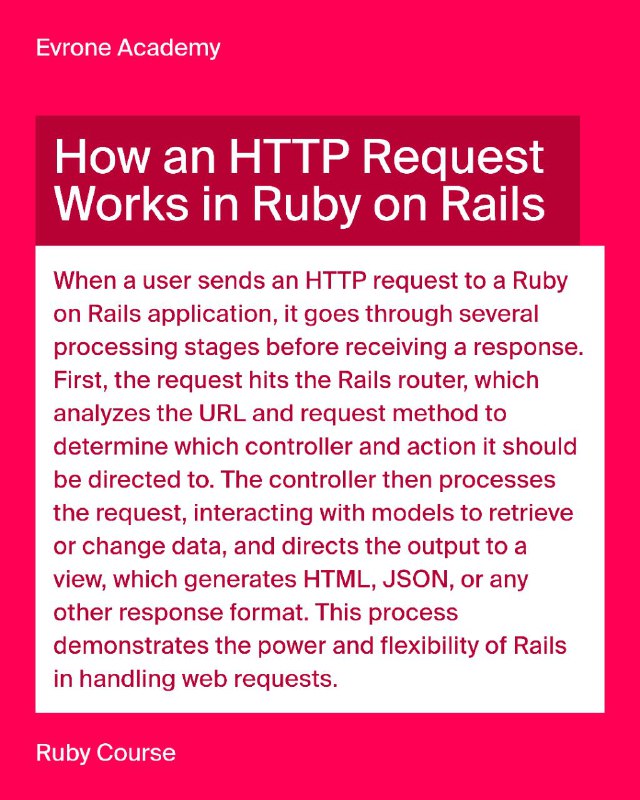
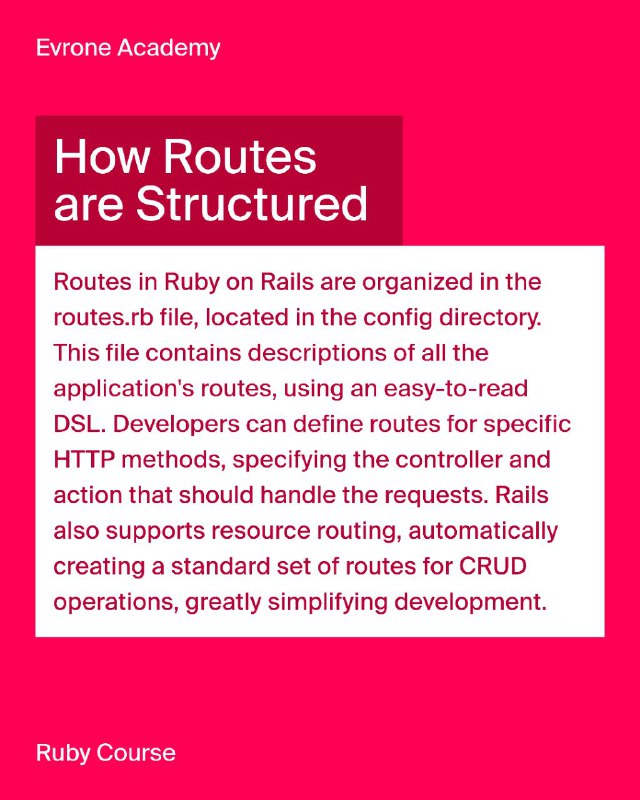
Routing in Rails doesn't just allow your application to respond to HTTP requests; it does so by adhering to strict yet flexible REST rules, ensuring clarity and understanding of your application's architecture. This not only simplifies development and maintenance but also makes your application more intuitive for other developers.
In this post, we will touch on the key aspects of routing and REST principles, setting the stage for deeper exploration in subsequent parts of our series.
Join us on this journey through Ruby on Rails, and together we will learn how to use routing most effectively to create reliable and scalable web applications 😉
Post #664
2.7K




- 👍 10
- 🔥 8
- 👏 3