
How Tu-154 Landed in the Middle of Nowhere - September 7, 2010
Part 1
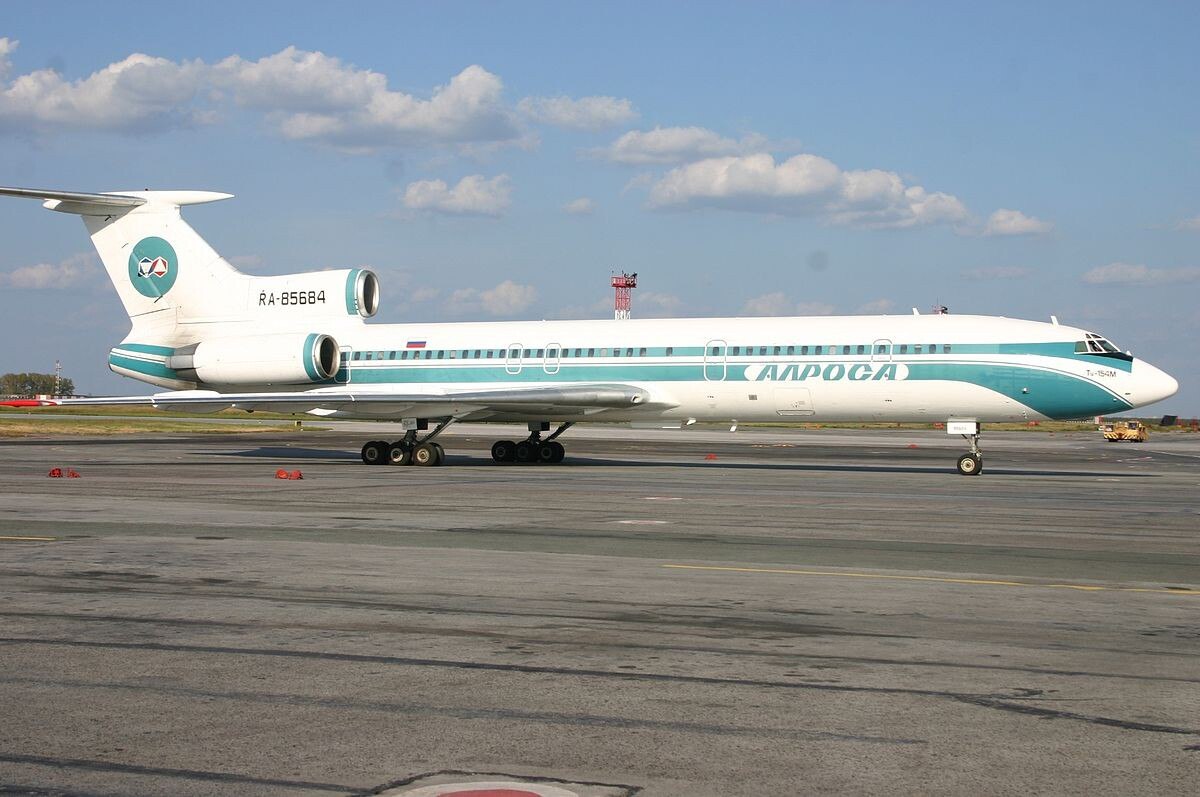
On September 7, 2010, a Tu-154M aircraft operated by Alrosa Airlines was performing a passenger flight from Udachny (Yakutia) to Moscow. There were 72 passengers and 9 crew members on board - 4 in the cockpit and 5 flight attendants.
Around 6 a.m. Moscow time, while cruising at FL350 (10,600 meters) over the Komi Republic, the aircraft experienced a sudden and complete electrical failure. The crew reported the issue to ATC and declared an emergency diversion to Syktyvkar. This was the last transmission received from the aircraft.
With the loss of electrical power, all radio communications were lost, the navigation systems shut down, and the fuel pumps that transfer fuel from the main tanks to the collector (feeder) tank ceased functioning. The remaining fuel in the collector tank was sufficient for only 30 minutes of flight.
The crew descended to 3,000 meters and attempted to start the auxiliary power unit (APU), but to no avail. The aircraft was now without navigation, communication, and with a critically low fuel supply - flying over the uninhabited northern taiga.
The pilots followed the Izhma River, searching for a suitable area for an emergency landing - either flat terrain or water. Then, unexpectedly, they spotted a runway in the middle of the forest. Although short, finding any kind of runway in such remote wilderness was an extraordinary stroke of luck. Hardly believing their eyes, the crew made three low passes over the airstrip to assess its condition. To their surprise, it appeared to be in usable condition.
With no electrical power, the wing high-lift devices were inoperative, so the crew couldn't deploy flaps or slats to slow the aircraft down. The recommended approach speed for the Tu-154 is around 270 km/h, but due to the flapless configuration, the aircraft was on final at approximately 370 km/h - about 100 km/h faster than normal. Given the runway length of only 1,325 meters (far short of the minimum 2,200 meters typically required for a Tu-154), some passengers were reseated toward the front of the cabin to ensure balanced egress through emergency exits.
Post #57
205
- 🤯 2