
Blame the Weather
On July 9, 1982, a Boeing 727-235 operated by Pan American World Airways was performing a passenger flight on the route Miami - New Orleans - Las Vegas - San Diego. The first leg, from Miami to New Orleans, was completed without incident. In New Orleans, the crew began preparations for the next segment to Las Vegas. On board were 7 crew members, one Pan Am employee traveling in the cockpit jump seat, and 137 passengers.
Weather conditions in New Orleans that day were poor. A thunderstorm front was passing over the city, bringing moderate rain and variable cloud cover. During taxi, the first officer requested wind information and was given a speed of 14 km/h. Three minutes later, ground control warned the crew of a low risk of wind shear. One minute after that, the first officer requested updated wind data - this time the reported wind speed had doubled to 31 km/h, along with another warning of possible wind shear.
Despite this, the aircraft commenced takeoff. It lifted off and climbed to about 38 meters when it suddenly began losing altitude. The crew did not understand what was happening. Raising the nose did not stop the descent. The pilots then leveled the aircraft in an attempt to gain speed, but the descent continued.
About 30 seconds after liftoff, at an altitude of around 15 meters, the aircraft struck three trees with its left wing, causing severe damage. It then rolled to the left, flew over the airport perimeter fence and a nearby roadway, narrowly missing a truck carrying sweets.
Approximately 1,410 meters from the runway threshold, the aircraft crashed into more trees, destroyed six residential houses, hit the ground, exploded, and was completely destroyed.
All 145 people on board were killed. On the ground, 8 local residents lost their lives and 16 others were injured.
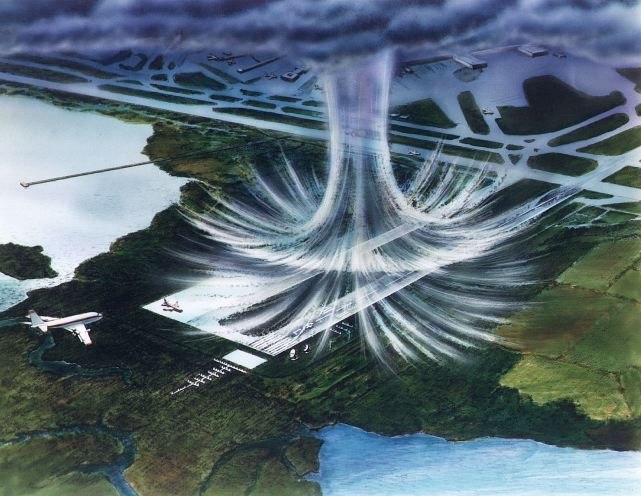
Investigators determined that the cause of the crash was a microburst that created severe wind shear. The aircraft encountered a strong downdraft combined with a sudden loss of headwind, leading to a rapid loss of lift. The crew did not have enough time to recognize the situation and avoid the impact.
Contributing factors included the lack of effective microburst detection systems at the airport and significant delays in weather information reaching flight crews - in some cases up to two hours.
In the aftermath, millions of dollars were paid in compensation to victims and their families. Three years later, a similar disaster occurred involving Delta Air Lines Flight 191 crash. Following these events, onboard wind shear detection and warning systems were developed and widely implemented.
Post #106
384
- 😱 1