
Heavy Load
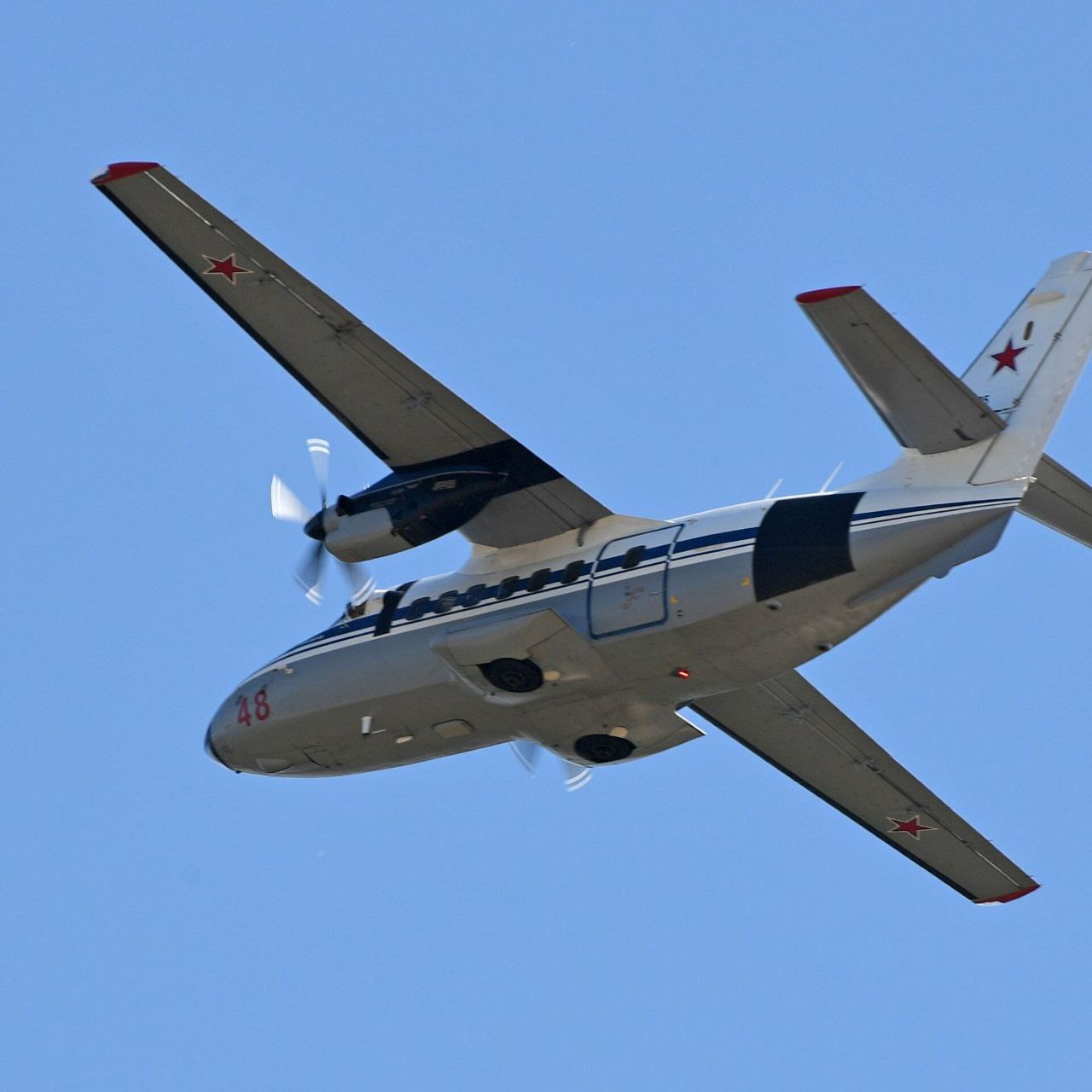
On August 26, 1993, a Let L-410 aircraft operated by Sakha-Avia was conducting a passenger flight in the Yakutia region, from Chagda to Aldan. On board were 22 passengers, 2 crew members, and 687 kilograms of baggage.
The flight to Aldan proceeded without deviations. However, during the approach phase, when the pilots began configuring the aircraft for landing and deployed the flaps, the aircraft's nose began to pitch up slightly. They passed the outer marker beacon at an altitude of 68 meters, instead of the prescribed 100 meters. When the crew extended the flaps further, the nose began to pitch up more aggressively. The captain pushed the control column forward and held it in that position for 20 seconds, but the nose continued to rise. As a result, the airspeed began to drop.
The captain then decided to initiate a go-around. The crew set the engines to takeoff power and retracted the landing gear and flaps. But that didn’t help - the nose kept pitching up until the pitch angle reached 42.5°, and the speed fell to 52 km/h. At that point, the aircraft rolled to the left and struck the ground 273 meters short of the runway threshold. It was completely destroyed, and all people on board perished.
The accident investigation commission found that the aircraft had been severely overloaded. Its takeoff weight exceeded the maximum allowable by 623 kilograms, and its landing weight exceeded the limit by 550 kilograms. As a result, when the crew began deploying the flaps, the aircraft’s trim changed significantly. The situation was further exacerbated by approximately 400 kilograms of baggage loaded in the aft section, causing the center of gravity to shift beyond the aft limit. This led to uncontrollable nose-up pitch, loss of speed, and a stall.
The commission attributed the accident to gross violations by the crew, who operated the flight with a substantial excess of both takeoff and landing weights, as well as with an aft center of gravity beyond acceptable limits.
Post #54
239
- 🤯 1