“We don’t have any passengers on board, so we decided to have a little fun” - The Missouri Crash
Part 1
Today’s story is a textbook example of the saying “boldness and stupidity.” Two young pilots decided to show off for no good reason, trying to prove something to someone.
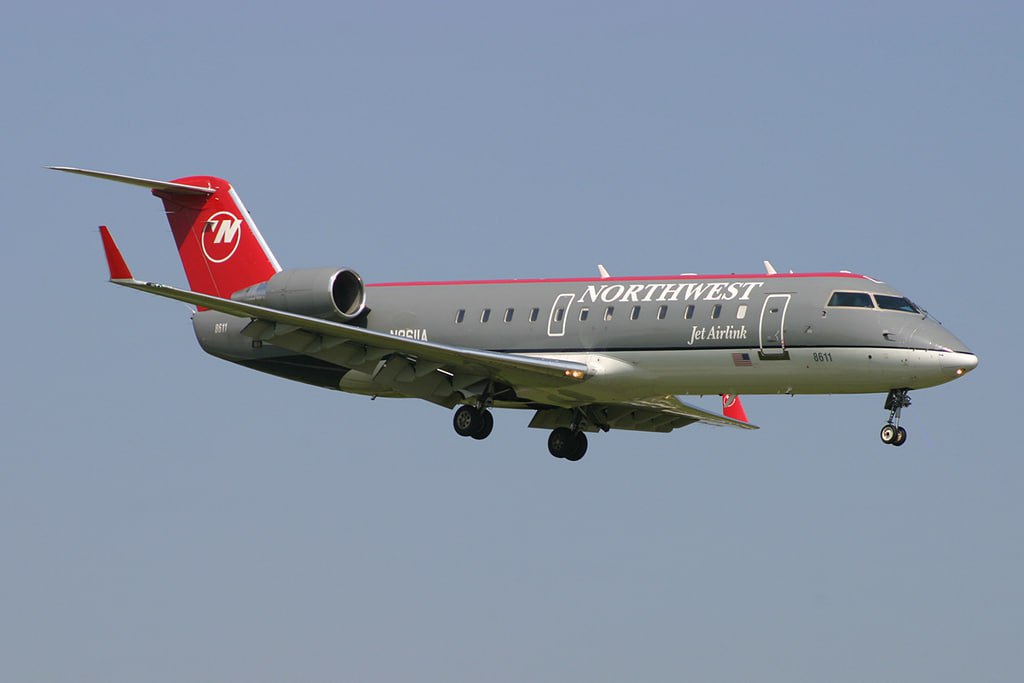
On October 14, 2004, a Bombardier CRJ200 operated by Pinnacle Airlines was conducting a repositioning (ferry) flight from Little Rock to Minneapolis. There were two pilots in the cockpit. The captain, 31-year-old Jesse Rhodes, had a total of 6,900 flight hours, around 900 of which were on the CRJ200. The first officer, 23-year-old Peter Cesars, had logged 761 total hours, including 222 on the CRJ200.
So - a night ferry flight, two young pilots, cruising at 10,000 meters (FL330). What could go wrong?
About 15 minutes after departure, the crew requested clearance from ATC to climb to 12,497 meters (FL410). This is just below the aircraft’s maximum certified service ceiling of 12,500 meters. The controller was puzzled. When asked about the reason for the requested altitude change, the captain cheerfully replied:
“We don’t have any passengers on board, so we decided to have a little fun and come up here.”
It’s worth noting here that among CRJ200 pilots, there exists an unofficial “410 Club”. This refers to pilots who have taken the CRJ to its maximum certified cruising altitude - flight level FL410 (41,000 feet or 12,497 meters). These pilots, taking advantage of the empty aircraft, decided to push the jet to its limits in an attempt to join “410 Club”.
ATC granted the clearance. The crew programmed the autopilot to climb at a vertical speed of 150 meters per minute to FL410 - a climb rate exceeding the manufacturer’s recommendations for altitudes above FL380 (11,500 meters). As a result, the angle of attack became too great for the aircraft to maintain airspeed in the thin atmosphere. Still, the jet managed to reach FL410, and the pilots celebrated their induction into “410 Club”.
However, their celebration was short-lived. The aircraft was flying at only 280 km/h - barely above stall speed - with both engines at maximum thrust. The stick shaker and stall protection systems activated multiple times, attempting to lower the nose to gain airspeed and restore lift. But the pilots kept overriding the systems.
Suddenly, both engines flamed out. The aircraft lost all thrust and entered an aerodynamic stall. The pilots managed to recover from the stall at approximately 11,500 meters (FL380).
The engines, however, remained inoperative. The aircraft was now gliding. The pilots donned oxygen masks as the cabin began to depressurize due to the loss of engine bleed air.
When both engines fail, the compressors that provide pressurization to the cabin stop functioning. As a result, cabin pressure drops, causing depressurization. Without a functioning pressurization system, the aircraft can no longer maintain a breathable atmosphere or safe pressure levels for crew and passengers. This can lead to hypoxia and requires immediate descent to a safe altitude with sufficient ambient oxygen pressure.
The pilots initiated an emergency descent in an attempt to reach 560 km/h - the speed required to perform an in-flight engine restart using the windmilling effect of the turbines. However, the captain failed to properly monitor the first officer and did not confirm whether the required speed was achieved. The engine restart attempt was unsuccessful.
Post #48
198