The Old Fleet
For many years, Iran has been under serious sanctions that also affect aviation. Although planes still fly and transport passengers there, the sanctions one way or another impact flight safety.
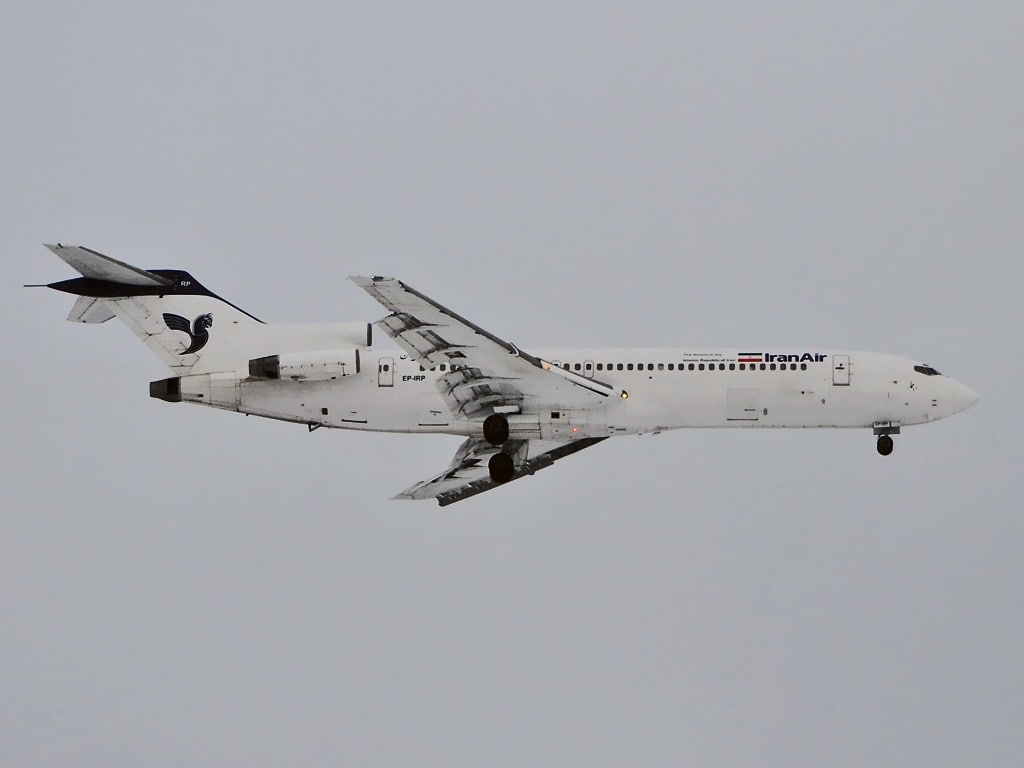
On January 9, 2011, a Boeing 727 of Iran Air was operating a domestic flight from Tehran to Urmia. There were 96 passengers and 9 crew members on board. The aircraft itself was manufactured back in 1974. It had barely flown since 1984 and only returned to service in 2002 after a major overhaul.
That day, the plane's departure was delayed by two hours due to poor weather. In Urmia, low clouds and snowfall were observed. During the approach to the destination, the crew made a navigational error and failed to intercept the glide path. Descending to 1,800 meters without spotting the runway, the pilots aborted the landing and went for a go-around. Also, the crew informed the air traffic controller of their intention to return to Tehran.
When the aircraft reached an altitude of 2,700 meters, the engine thrust dropped. The airliner began to descend and bank. Despite switching engines №1 and №3 to maximum mode, they soon stalled. Attempts to restart them were unsuccessful. Eventually, the Boeing crashed into the ground 15 kilometers from the airport and was completely destroyed. 78 people on board, including the pilots, were killed in the disaster. All survivors were injured. A 70-centimeter layer of snow on the ground hindered the rescue operation at the crash site.
The investigation determined that during the go-around, the aircraft experienced severe icing. Under these conditions, the crew violated instructions while managing the engines, which led to flameout on two of them. Factors contributing to the disaster identified in the investigation report included outdated onboard systems, lack of suitable simulators for adverse weather conditions, non-compliance with standard operating procedures, and inadequate crew resource management.
Post #22
906