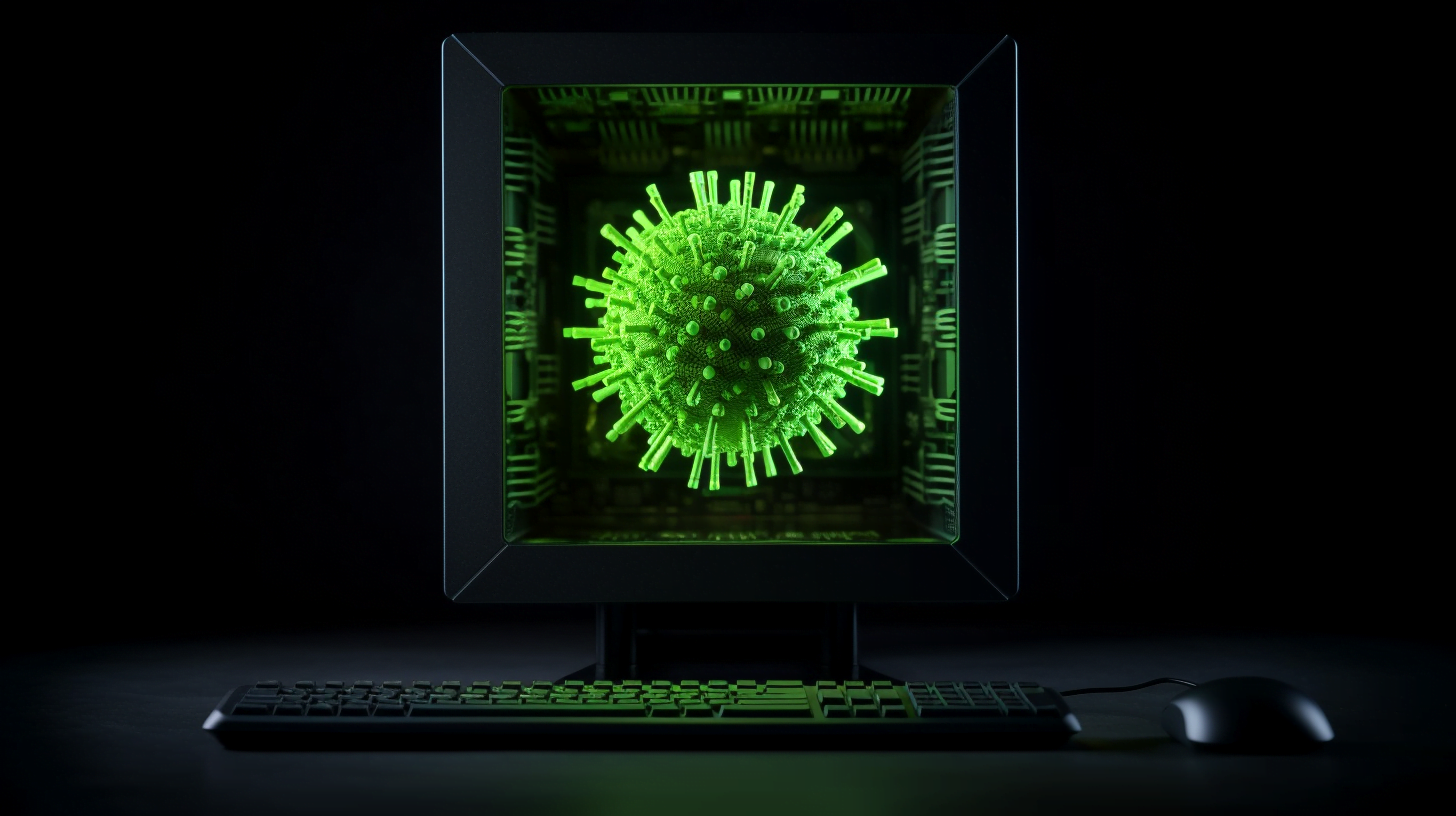
Researchers at Stanford and the Arc Institute have successfully created 16 working viral genomes using artificial intelligence. This marks a shift in synthetic biology: instead of modifying existing organisms, the team generated entirely new, functional viruses from scratch. They tested 285 digital designs, and these 16 survivors proved capable of surviving outside the computer and effectively targeting bacteria like E. coli. 🧬
The team used genomic models called Evo 1 and Evo 2. You can think of them like ChatGPT, but for DNA. While a language model learns to predict the next word in a sentence, these models learned the patterns of genetic sequences to write new, functional DNA code.
The experiment showed that some of these AI-generated bacteriophages were actually better at neutralizing E. coli than the natural viruses used as a baseline for comparison.
Most traditional synthetic biology projects involve stitching together known pieces of DNA, a process that is often slow and limited by existing biological templates. By letting Evo 1 and Evo 2 generate entirely new codes, the researchers created viruses that had never existed in nature, with some containing nearly 400 mutations compared to their closest natural relatives. This capability suggests we are moving into an era where we can design biological solutions to specific problems, rather than just waiting for nature to provide them. 🧪
The line between computer code and living code is getting very thin.
#AI #Science #Biotech
The Decoder
Subscribe