TGViewer
Channel Public Channel
Psyche Analyzer | Mind • Brain • Unconscious

Psyche Analyzer | Mind • Brain • Unconscious

@psyche_analyzer

مطالعه‌ی تخصصی ذهن، مغز و ناخودآگاه- علی ابراهیمی

Neuroscience - Cognitive Science - Clinical Psychology - Psychoanalysis
Research → Analysis → Application

◾️Contact me:
@AliEbrahimiinfo

◾️Other Ch:
@Anthro_analyser
@ThesisAnalyzer
Subscribers
2.84K
Photos
563
Videos
106
Links
481

Showing posts older than #694 · Back to latest

Older Posts 17 shown
Post #689 255
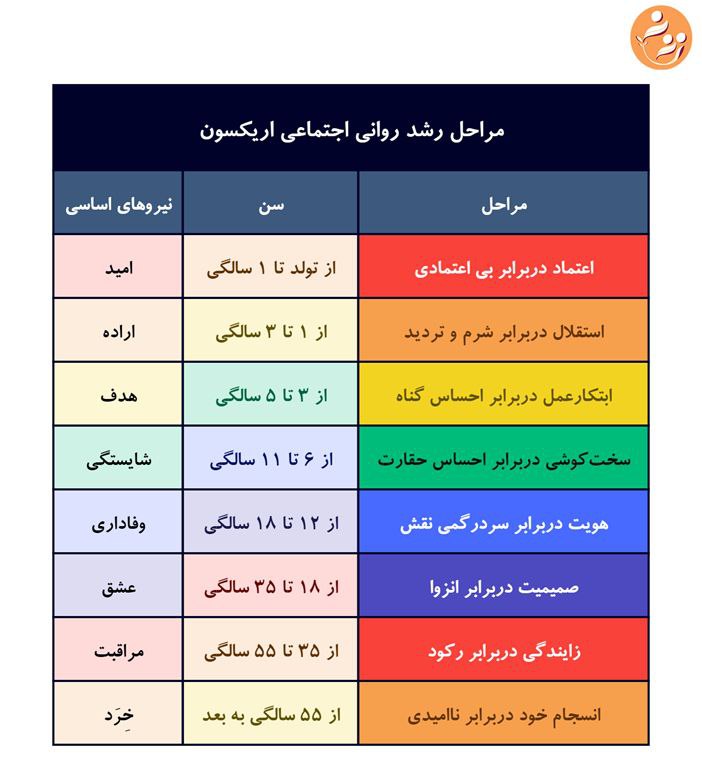
مقایسه مدل دولوپمنتال سایکوسوشال استیج اریکسون در مقابل مدل دولوپمنتال سایکوسکشوال استیج فروید

از 5 استیج فروید به 8 استیج اریکسون افزایش یافته است.
Post #688 233
به گفته ژاک لاکان، از شیر گرفتن مرحله مهمی در رشد روان کودک است.  لاکان در مقاله‌اش «کمپلکس‌های خانواده در شکل‌گیری فرد»، عقده شیرگیری و تأثیر آن بر روان را مورد بحث قرار می‌دهد.

Lacan argues that weaning is a crisis of the psyche that occurs when the child is separated from the mother's breast. The child's relationship with the mother's breast is complex and multifaceted, involving both physical and psychological components ¹.

The maternal breast serves as an object of desire for the child, and its loss can lead to feelings of frustration, anger, and anxiety. The weaning process is thus a critical moment in the child's development, as it marks the transition from a state of total dependence on the mother to one of relative independence ¹.

Lacan also discusses the imago of the maternal breast, which he describes as having three components: exteroceptive form, proprioceptive satisfaction, and interoceptive discontent. The exteroceptive form refers to the physical appearance of the breast, while proprioceptive satisfaction refers to the pleasure derived from sucking. Interoceptive discontent refers to the frustration and anxiety that arise when the child is unable to obtain satisfaction from sucking ¹.


(2) Lacan: The Mirror Stage - University of Hawaiʻi. https://www.english.hawaii.edu/criticalink/lacan/guide6.html.
(3) Jacques Lacan on the Child’s Entry into the Symbolic Order.
https://link.springer.com/chapter/10.1007/978-1-4757-9987-3_9.
(4) How does Lacan's notion of the Mirror Stage apply to children that are ....
https://philosophy.stackexchange.com/questions/2639/how-does-lacans-notion-of-the-mirror-stage-apply-to-children-that-are-congenita.
Post #685 258
درباره هنر و روان
جالبه، افراد برای توصیف و بیان حالات و احساسات خودشون در سیچویشن های عاشفانه، رمانتیک و... که به صورت فعل آرتیستیک بالفعل می‌کنند، همیشه از طبیعیات، محیط زیست و فیزیک محیط استفاده می‌کنند. تشبیهات، استعاره ها و...

سوالی که پیش می‌یاد اینه که آیا دلیل اصلی رو تنها میشه با اپروچ روانشناسی تکاملی توضیحش داد یا نه؟! جوری دیگری هم می‌شه توضیحش داد؟!
Post #683 189
اطلاعات عمومی و اولیه درباره سندرم چارلز بنه
در این کلیپ اطلاعات خوبی از انواع و سبک های مختلف هالیوشینیشن می‌ده.
Post #682 251
Clifton StrengthsFinder

• معروف ترین تست سنجش توانمندی و استعداد.
• آزمون در وبسایت موسسه گالوپ: www.gallup.com/cliftonstrengths
• تست توسعه فردی گالوپ ۳۴ توانمندی ذاتی مختلف را در افراد سنجیده و ۱۰ توانمندی برتر آن‌ها را مشخص می‌شود.
آزمون کلیفتون این توانمندی های ذاتی افراد را در چهار حوزه‌ی مختلف (تفکر استراتژیک، ارتباط‌ گستر، اجرایی و تأثیرگذار) دسته‌بندی کرده است.

۳۴ توانمندی شغلی کلیفتون
• کامجو (Achiever)
• عملگرا (Activator)
• سازگار (Adaptability)
• تحلیل‌گر (Analytical)
• گرداننده (Arranger)
• ارزشمدار (Belief)
• فرمانده (Command)
• سخنور (Communication)
• رقابت‌جو (Competition)
• پیوسته‌نگر (Connectedness)
• عدالت‌طلب (Consistency)
• پیشینه‌گرا/زمینه‌گرا (Context)
• محتاط (Deliberative)
• پرورش‌دهنده (Developer)
• منظم (Discipline)
• همدل (Empathy)
• متمرکز بر هدف (Focus)
• آینده‌نگر (Futuristic)
• تعارض‌گریز (Harmony)
• ایده‌پرداز (Ideation)
• گردآورنده افراد (Includer)
• فردنگر (Individualization)
• کلکسیونر (Input)
• متفکر (Intellection)
• یادگیرنده (Learner)
• ایده‌آل‌گرا (Maximizer)
Post #681 199
انواع تست های استعدادیابی کودکان

• تست استعدادیابی کلیفتون (Clifton Strengths Finder)
• تست (آزمون) استعدادیابی گاردنر
• (تست) استعدادیابی اوکانر
• آزمون (تست) هوش استاندارد بین المللی


از ۳ سالگی میشه فرآیند استعدادیابی رو با اجرای فعالیت های مختلفی برای کودکان شروع کرد و صرفاً استفاده از پرسشنامه های استاندارد یا معیار مراجع راهگشا نیست.
از طرفی با تحلیل رفتارهای کودک در موقعیت های مختلف براساس آزمون های هوش های ۸ گانه گاردنر و استنفورد بینه و وکسلر می تونیم نتایج معتبر و قابل اعتمادی رو کسب کنیم
.
Post #680 216

Forwarded from Neural Systems & Behavior (Mmd Rahmani)

V1 - contextual response.pdf1.3 MB
یک مشاهده فوق‌العاده جالب. نورونهای قشر بینایی اولیه موش، حتی در نبود اطلاعات ورودی از شبکیه، به کانتکست تصویر (مثل وجود یک شکل) پاسخ می‌دهند. تا کنون نورونهای قشر بینایی اولیه را با پردازش‌های تصویری ساده مثل راستای خط و جهت حرکت می‌شناختیم.
برای اطلاعات بیشتر به این مقاله رجوع کنید.

Contextual drive of neuronal responses in mouse V1 in
the absence of feedforward input
Science Advances 2023
Post #679 253
جالبه توی دِوِلوپمنتال سایکولوژی؛ دو شخصی در قرن هیفده و هیجده دو جریان اصلی روی مطالعه رفتاری و شناختی انسان تاثیر می‌گذارند:

• جان لاک اولین محیط گرا (Environmentalism)

• ژان ژاک روسو اولین فطرت گرا (Nativism) و نظریه پرداز تحولی رشد بود.

این دو، دو جریان اصلی
• (اولی وارثانش: اسکینر و پاوولوف)
• (دومی وارثانش: پیاژه، گزل و مونته سوری) را می‌سازند که تا حدودی در مقابل یکدیگر هستند.

• اولی رشد را پیوسته و بیشتر تحت تاثیر محیط.
• دومی رشد را ناپیوسته و سکشن سکشن و بیشتر تحت تاثیر ژن.
Post #677 208

Forwarded from Linguistic Project (Ali Ebrahimi)

ناحیه ورنیکه (انگلیسی: Wernicke's area) یکی از دو قسمتی از قشر مغز است که از اواخر قرن نوزدهم میلادی با گفتار مرتبط دانسته شده است (قسمت دیگر ناحیه بروکا است). این قسمت با درک یا فهمیدن زبان نوشتاری و گفتاری مرتبط است (برعکس ناحیه بروکا که با تولید گفتار ارتباط دارد). آسیب به این ناحیه منجر به زبان‌پریشی دریافتی می‌شود. در این نوع زبان‌پریشی، فرد می‌تواند کلمات را به شکلی سلیس به هم متصل کند اما عباراتی که به زبان می‌آورد، بی‌معنی خواهند بود.
Post #676 175

Forwarded from Linguistic Project (Ali Ebrahimi)

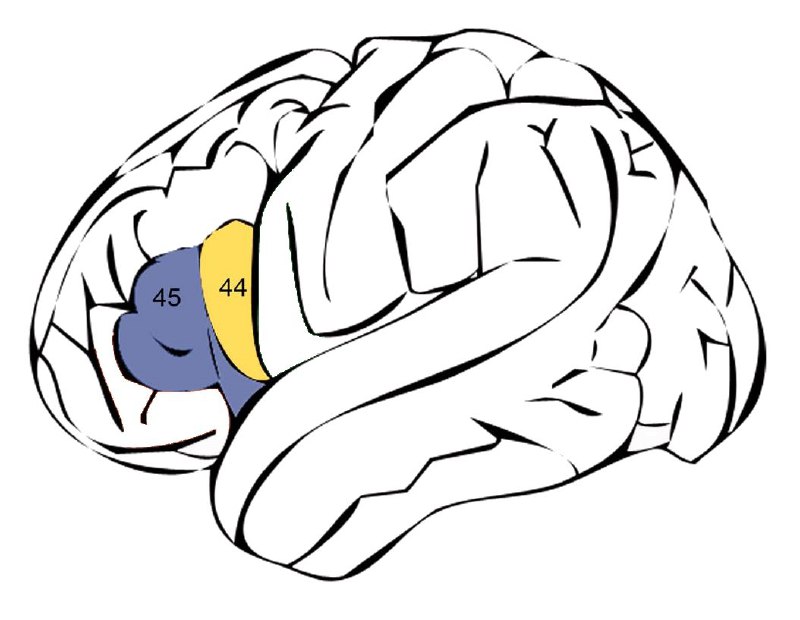
Broca's area is now typically defined in terms of the pars opercularis and pars triangularis of the inferior frontal gyrus, represented in Brodmann's cytoarchitectonic map as Brodmann area 44 and Brodmann area 45 of the dominant hemisphere.

Functional magnetic resonance imaging (fMRI) has shown language processing to also involve the third part of the inferior frontal gyrus the pars orbitalis, as well as the ventral part of BA6 and these are now often included in a larger area called Broca's region.

Studies of chronic aphasia have implicated an essential role of Broca's area in various speech and language functions. Further, fMRI studies have also identified activation patterns in Broca's area associated with various language tasks. However, slow destruction of Broca's area by brain tumors can leave speech relatively intact, suggesting its functions can shift to nearby areas in the brain.

https://en.m.wikipedia.org/wiki/Broca%27s_area
Post #675 137

Forwarded from Linguistic Project (Ali Ebrahimi)

Broca area, is a region in the frontal lobe of the dominant hemisphere, usually the left, of the brain with functions linked to speech production.
Post #674 154
Clark Leonard Hull was an American psychologist who is best known for his theory of learning. He wrote a book called “Hypnosis and Suggestibility: An Experimental Approach” in 1933 which is still considered a classic in the field of hypnosis. In this book, Hull explored the correlations between various forms of suggestibility and between suggestibility and intelligence and other personality traits.

• Hypnosis and Sleep: Exploring the Connection
• Hypnosis for Sleep: Does It Work?
• Hypnosis for Sleep: A Guide to Hypnotherapy for Better Sleep
Post #673 178
Psyche Analyzer | Mind • Brain • Unconscious انواع نظریه های انگیزش (Motivation Theory) 1. Physiological theory • تئوری میلنر • تئوری گری • تئوری انکیزشی چند عاملی استلر • تئوری فعالسازی لیندزلی • تئوری بیندرا 2.Psychological theories • تئوری کاهش کشاننده ای هال • تئوری کاهش کشاننده‌ای روان تحلیل…
توی سایکوفیزیولوژی؛ برای موتیویشن (انگیزه) در بخش تئوری های روانشناختی ۳ دسته اصلی داریم.

• دسته اول شامل تئوری های کاهش کشاننده ای هستند که بر اساس آن، افراد به دنبال کاهش تعارض داخلی و رسیدن به یک حالت تعادلی هستند.

- فروید کشاننده ها رو در غالب غرایز (Trieb) می‌بینه و به دو بخش اروس و تاناتوس تقسیم می‌کنه. دوتا آرتیکل خوب زیر رو داریم؛

1- One article provides an overview of Freud’s psychoanalytic theory which offers the most general and well-known conception of the dynamics of motivation.

2- Another article explains how Freudian motivation theory posits that unconscious psychological forces, such as hidden desires and motives, shape an individual’s behavior.

- هال میاد رفتار گرایی رو هم در تئوریش اضافه می‌کنه؛ او ‌با نظریه معروف خود به نام کاهش سایق (Drive Reduction) بر بنیاد تقویت نخستین (Primary Reinforcement) شهرت یافت. او در سال ۱۹۵۲ در نظریه خود تجدیدنظر نمود و آن را با نام "یادگیری کاهش محرک سایق" منتشر کرد.
وی با این فرض شروع می‌کند که موجود زنده در محیط زندگی به عدم تعادل دچار می‌شود و این نیز احتیاجاتی را در او برمی‌انگیزد مانند احتیاج فیزیولوژیکی به غذا.
سپس سایق به صورت "حالت تنش" همواره با احتیاج درمی‌آید و موجود زنده را به فعالیت وادار می‌کند و همین که موجود زنده نیاز خود را ارضا کرد سایق مربوطه کاهش پیدا می‌کند. این ارضای نیاز و کاهش سایق "تقویت" نامیده می‌شود.
تقویتِ یک پاسخ سبب می‌شود که آن پاسخ آموخته شود. بنابراین از نظر‌ هال سایق حالت تنشی است که از یک نیاز نتیجه می‌شود.

1- One article provides an overview of Clark Leonard Hull's learning and motivation theory.

2- Another article explains how Hull's theory was intended to encompass human behavior as well as the behavior of groups as well as individuals.
SpringerLink The Psychoanalytic Theory of Motivation Freud’s psychoanalytic theory offers the most general and well-known conception of the dynamics of motivation. This conception is so vast that it is meaningless to ask whether it is “correct” or “incorrect.” Rather, some aspects of the...
Older posts →
Threads Profile ViewerView any public Threads profile without an account.Open ThreadLook →Writing with AI? Make it sound human.Metric37 rewrites AI drafts so they read naturally. Free AI detector, 1,500 words free.Try Metric37 →