Calling someone a “volunteer” does not erase their right to a minimum wage, according to a significant ruling in Mumbai. The Bombay High Court found that BMC Community Health Volunteers effectively work as civic employees: they have fixed hours, follow medical staff instructions, receive monthly payments and have spent decades supporting public health programmes, particularly in slum communities. The court ordered them to receive the statutory minimum wage based on hours worked, rejecting the argument that their current ₹14,000 monthly payment is merely an “honorarium,” while clarifying that the ruling does not make them permanent employees or grant additional service benefits. After nearly 38 years of the programme, the label may stay - but the pay can no longer hide behind it.
One of Mumbai’s most ambitious urban transformations is looking to Singapore and Hong Kong for inspiration. The Dharavi Redevelopment Project plans to deliver around 10,000 rehabilitation homes in its first phase, with eligible residents receiving free new housing within Dharavi wherever possible so they can remain close to their jobs, businesses and communities. Work is moving into the execution stage, with construction in one sector expected after the monsoon, while displaced families will be offered temporary accommodation or rent assistance until their permanent homes are ready. If it works, Dharavi will become more than a redevelopment project - it could serve as the blueprint for 19 other large-scale renewal schemes across Mumbai.
Playing a game in Mumbai this October could mean helping someone long after the final whistle. Impact Games India will turn the city into a month-long sporting arena across four weekends, bringing more than 5,000 people together for over 15 sports, from cricket, football and badminton to chess, pickleball and inclusive events such as blind chess and disability sports. Participation is open to everyone regardless of age or ability, and 100% of net proceeds from registrations and partnerships will support verified projects in sport, education, health and community welfare through the Rotary Club of Mumbai SOBO Charitable Trust. The idea is refreshingly simple: compete for a win, and make your entry fee count for something bigger.
Mumbai is turning Independence Day into a citywide food celebration, with everything from pay-as-you-wish banana-leaf feasts to lavish hotel brunches. The Bombay Canteen is bringing back its community Daawat, with proceeds supporting Make Mumbai Green Again, while Via Bombay, JW Café and Sesame are serving spreads built around regional Indian favourites alongside international dishes. Seoul Dak is taking a different route, inviting diners to reinvent an Indian dish with Korean street-food flavours, with the winning creation set to appear on its menu for a month. For anyone celebrating around the table, August 15 in Mumbai comes with an unusually difficult question: where to eat first?
Broken windows hidden behind political banners became an uncomfortable symbol of the conditions children face at a government school in Maharashtra’s Hingoli district. During an Independence Day visit, CJP founder Abhijeet Dipke said the school had no drinking water, washrooms lacked water and basic facilities were in poor condition, while damaged windows had simply been covered rather than repaired. The inspection was part of the party’s “Improve Schools Campaign,” which is encouraging parents to conduct social audits and village heads to take responsibility for upgrading rural government schools. Covering a broken window is easy; fixing what is behind it is the harder job.
Fast food is being pushed off school menus as Maharashtra tries to make healthier eating the easier choice for children. The state’s Food and Drug Administration has begun nutrition and food-safety training in around 300 schools, including in Mumbai, following restrictions on junk food and products high in added sugar and salt within 50 metres of school premises. Schools are being taught how to build age-appropriate menus, improve hygiene and make nutritious meals appealing enough for students used to fast food, while several have already changed their canteen offerings and others have temporarily closed canteens during the transition. The real test may not be getting healthy food onto the menu, but convincing children that it deserves a place on their plates.
Recovering after serious neurological treatment can mean learning to walk, speak, work or study normally again - and India now has its first rehabilitation centre dedicated specifically to that journey. The Amrit Sparsh centre has opened in Mumbai’s Parel area and is expected to support around 2,000 patients a year with physiotherapy, speech and occupational therapy, cognitive rehabilitation, counselling and vocational support. Adults and children will receive help from treatment through recovery, with services free for underprivileged patients and heavily subsidised for others. Sometimes recovery is not simply about getting better - it is about getting everyday life back.
Independence Day will begin at midnight in Neral, with torchlight, community celebrations and a special honour for a young woman preparing to serve in India’s Armed Forces. A procession will start at 11 pm on August 14 before the tricolour is raised at Hutatma Chowk at 12:01 am, marking India’s 80th Independence Day and paying tribute to the freedom fighters behind it. Siddhvi Sadanand Kshirsagar, recently selected for the Armed Forces, will hoist the flag, while local Class 10 students who ranked first will also be honoured. It is a small community ceremony, perhaps, but one built around a simple idea: remembering the past while celebrating those shaping what comes next.
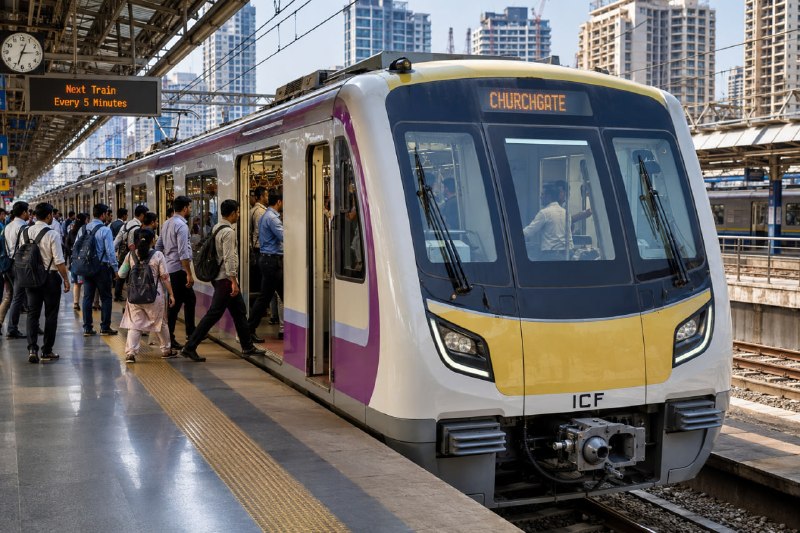
Mumbai’s famously packed local trains are heading for a metro-style makeover, with the entire suburban fleet targeted for replacement by March 2030. The plan calls for 238 new air-conditioned trains to begin arriving in 2027, featuring automatic doors, better cleanliness and upgraded passenger amenities, while the city’s suburban network currently carries around nine million people a day. The overhaul comes alongside a wider transport push that includes rapid metro expansion and the Thane–Borivali twin tunnel, designed to cut the current 23-km road journey to an effective 11 km and just 12–15 minutes. For millions who rely on Mumbai’s locals every day, the biggest change may be surprisingly simple: the daily commute could finally start feeling more like a metro ride.
Flying from Maharashtra’s smaller cities is getting a major government boost, with the state receiving ₹632.29 crore under India’s UDAN regional connectivity scheme - the second-highest amount in the country after Karnataka’s ₹823.73 crore. The funding supports air links to underserved destinations including Nashik, Sindhudurg, Jalgaon, Kolhapur, Solapur and Amravati, while 95 airports, 17 heliports and two water aerodromes have already been developed nationwide under the programme. UDAN has now been extended to 2036, with plans to connect 120 new destinations, upgrade 100 unused airstrips and build 200 modern helipads. The idea is simple but ambitious: make flying from smaller cities feel less like an exception and more like ordinary transport.
A familiar plastic card is about to become essential for millions of bus passengers across Maharashtra. More than 10.17 million people have already registered for MSRTC’s National Common Mobility Card, with 6.49 million cards activated, and from September 1 it will be mandatory for women, senior citizens and Amrut senior citizens travelling on ST buses. The system is designed to make ticketing faster and more cashless, while statewide registration for school students begins on August 15 through authorised representatives visiting schools. With more than a crore registrations already logged, Maharashtra’s traditional bus network is quietly becoming a lot more digital.
Ticket checks could soon come with their own video evidence, making it much harder for disputes to turn into a simple battle of conflicting stories. Western Railway’s Mumbai Central division is launching a pilot with 15 body cameras and 30 specially designed jackets for ticket checkers, focusing initially on AC local trains after a series of arguments, clashes and assaults involving passengers. The cameras will record video and conversations, giving officials objective evidence in disputed incidents while also encouraging greater accountability from staff; the new jackets will carry ticketing equipment and make authorised TCs easier to identify. If the trial works, body cameras could spread across the network - and the next heated argument over a ticket may have a witness that remembers everything.
Nearly 4,800 affordable homes are about to go up for grabs in one of Navi Mumbai’s fastest-growing areas. CIDCO will open online registration on August 15 for 4,779 EWS homes, including 4,229 in Taloja, 257 in Kalamboli and 293 in Kharghar, with some units reserved for people with disabilities. Families earning up to ₹6 lakh a year can apply if they do not own a permanent home anywhere in India, while prices and additional charges will be announced before registration begins. With road, rail and Metro links - and Navi Mumbai International Airport nearby - this is affordable housing being offered where connectivity could matter almost as much as the address itself.
Thousands of people in Mumbai are waiting for an organ that may never arrive. Nearly 5,000 patients need transplants - including around 4,000 awaiting kidneys and 900 needing livers - yet only about 10% of those on the waiting list currently receive donor organs. The city recorded 40 deceased donors by August 12, while transplant authorities say another troubling gap remains: a study cited by the ZTCC found that roughly 90% of families who have benefited from a transplant do not themselves pledge organs. As World Organ Donation Day arrives on August 13, the numbers leave a stark reminder: one family’s decision can become another family’s second chance.
One app is quietly changing how millions of journeys are paid for across Mumbai’s sprawling transport network. Mumbai One has processed more than 10.4 million tickets in about 10 months, bringing Metro lines, suburban trains and municipal buses onto a single platform used by more than 816,000 people. Metro travel dominates, accounting for nearly 80% of all transactions, while suburban rail alone has generated more than 1.57 million tickets. In a city famous for complicated commutes, getting from one network to another is finally becoming a little less complicated.
A grocery store on wheels is giving women entrepreneurs in Maharashtra something often harder to find than customers - a regular market. “Shakti on Wheels,” created by retired IAS officer R. Vimala, takes food, textiles and handicrafts made by women’s self-help groups directly to urban buyers and recorded more than ₹30,000 in sales in its first three days. The van will now visit Konkan Bhavan in Navi Mumbai as the project works toward regular routes through offices, housing societies and corporate spaces, with ambitions to eventually expand across Maharashtra and beyond. The idea is deliberately simple: people should buy these products not out of sympathy, but because they are good enough to make them come back.
A pair of jeans may look cleaner after washing, but the water left behind is becoming a serious problem in Thane’s rural belt. Maharashtra’s pollution authorities have ordered 19 unauthorised jeans-washing units in Ambernath and Kalyan to stop work after they were accused of dumping untreated industrial wastewater into streams and the ground, potentially contaminating the Waldhuni, Ulhas and Kalu river systems. Some operators had reportedly moved into rural areas after an earlier crackdown in Ulhasnagar rather than install proper treatment facilities - especially worrying because the Ulhas River supplies drinking water to several cities in Thane district. The latest notices send a fairly simple message: moving pollution out of sight does not make it disappear.
A deadly landslide in Mumbai’s Kurla has renewed urgent questions over how safely people are living in vulnerable neighbourhoods. Six people were killed near Gaushia Chawl in Chirag Nagar, while rescuers pulled one person alive from the debris and continued searching for two others feared trapped. Maharashtra Legislative Council Deputy Chairman Sachin Ahir said the victims’ families would receive ₹4 lakh each, with additional support to be sought from the Chief Minister’s Relief Fund, and called for residents to be permanently moved to safer homes. He also plans to push for the stalled Shivshahi Rehabilitation Project to be revived - because after six lives are lost, temporary fixes are no longer enough.
Some of Maharashtra’s ageing bus stations are set for a major makeover, with 147 MSRTC properties chosen for the first phase of redevelopment. Under a public-private partnership model, developers will fund new bus ports with modern passenger facilities, commercial spaces, EV charging and solar systems, while MSRTC keeps ownership of the land and earns premiums and annual rent. The upgrade matters on a huge scale: the state transport network carries around 5.5 million passengers a day, yet many of its stations are more than 40 years old. The goal is ambitious - turn tired bus stands into places passengers might actually enjoy using.
Saving water is about to become a statewide public campaign rather than just another environmental slogan. Maharashtra will mark Water Conservation Week from August 15 to 21, with school and community activities, water-source clean-ups, tree planting and conservation projects, followed by a three-kilometre “Walk for Water” in every district on August 21. The state is also launching a longer campaign through January 26, including a youth reel competition and a “One School-One Recharge Pit” initiative designed to involve students directly. The idea is simple enough: securing tomorrow’s water starts with what people do today.
How can I read @mumbai without a Telegram account?
TGViewer shows the public web preview Telegram publishes for Mumbai Live: recent posts, photos, videos and the subscriber count, with no app, login or account.
How many subscribers does Mumbai Live have?
Mumbai Live (@mumbai) has 947 subscribers on Telegram, refreshed roughly every 30 minutes.
Does Mumbai Live know I viewed it here?
No. Public channel previews carry no viewer identity, and TGViewer has no accounts or tracking of what you look up.