TGViewer
Bright Bits Bright Bits @minispark2 · 49.1K subscribers
Post #5581 1.76K
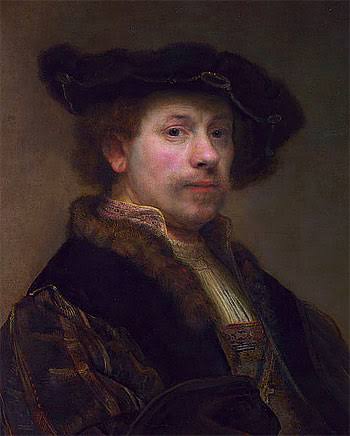
How Rembrandt van Rijn’s financial scheme brought him down

Rembrandt allegedly hired stand-ins to bid up his paintings at auctions, creating the illusion of soaring demand. He then used the works as collateral for huge loans, funding a lavish lifestyle and a growing antiques collection.

The scheme collapsed in 1656. Creditors demanded repayment, and the paintings lost value. Rembrandt declared bankruptcy; a court ordered that his future works go toward his debts. To avoid destitution and debtors’ prison, his son and partner opened an art business and hired him as an employee. The business owned the canvases and paints, while Rembrandt received food and shelter instead of wages. His creditors couldn’t seize property that wasn’t his, so he could keep creating.

Bright Bits
  • 🤣 3
  • 🥰 2
  • 👌 1
  • 🦄 1
More from @minispark2
  1. Oct 15, 2026The magical realism of Ronald Companoca (Peru) The artist’s work is rooted in the classica…
  2. Oct 15, 2026Jane Bucci, “Moonlight Blue Cat,” 2020 Bright Bits
  3. Oct 15, 2026Abstraction Wins Over Realism In 1926, U.S. customs put art on trial—mistaking a masterpie…
  4. Oct 15, 2026Franz von Stuck, “The Dance,” 1899 This painting belongs to the darker period of the artis…
  5. Oct 15, 2026Geliy Korzhev “Two by the Window,” 1958 Postwar Moscow: a sleeping child, two figures by t…
  6. Oct 15, 2026The Human Form Through Howard Schatz’s Lens American photographer Howard Schatz creates im…
Threads Profile ViewerView any public Threads profile without an account.Open ThreadLook →Writing with AI? Make it sound human.Metric37 rewrites AI drafts so they read naturally. Free AI detector, 1,500 words free.Try Metric37 →