
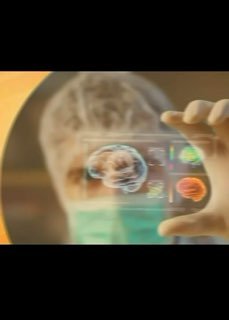
Are we on the verge of becoming cyborgs, or is brain-computer interface (BCI) technology simply unlocking the next evolution in human healthcare?
In a recent interview, renowned neurophysiologist Prof. Mikhail Lebedev shared incredible insights on how neural implants are transforming medical science:
🧠 Restoring Mobility: Shanghai researchers restored hand movement in a patient with a 10-year spinal cord injury using a BCI coupled with a robotic glove.
🔋 Wireless Medical Integration: Modern brain implants feature sub-cranial sensor arrays powered by inductive (wireless) charging systems.
🤖 AI Meets Neurotech: In the near future, multi-electrode chips will read both electrical and biochemical brain signals, allowing AI to administer real-time micro-treatments and stimulation.
🎧 Supercharged Sensory Aids: Over 1M people already rely on cochlear implants. AI integration could soon enable real-time language translation and noise suppression directly inside neural devices.
👁️ The Next Frontier: Visual implants designed to restore sight to the blind are anticipated to make major headlines within the next 1 to 2 years.
The line between artificial intelligence and human biology is blurring faster than most people realize. How do you see neural interfaces shaping the future of work and healthcare over the next decade?
Post #15815
314
- ❤ 1