
Post #15426
191
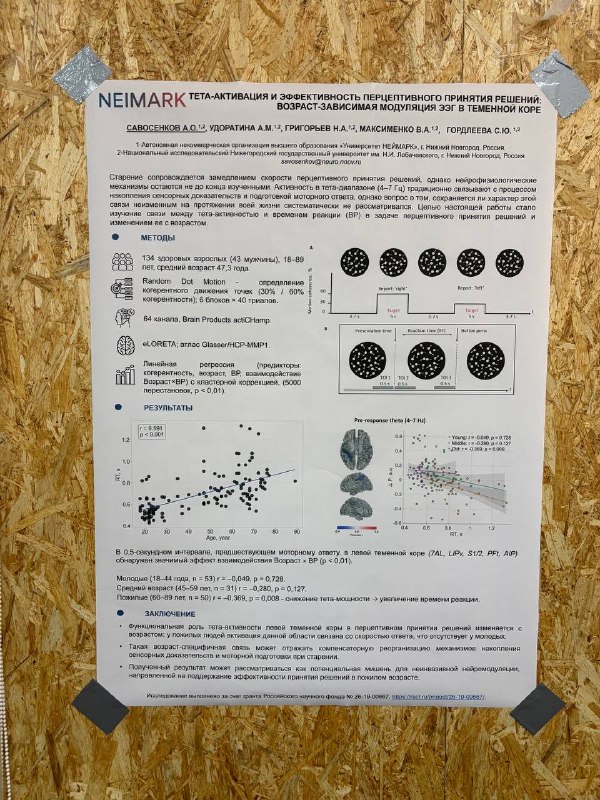
This research investigates how aging affects the neural mechanisms of perceptual decision-making by examining the relationship between theta-band electroencephalography activity in the parietal cortex and reaction time across different age groups. The study evaluated 134 healthy adults aged 18 to 89 years using a Random Dot Motion task alongside 64-channel electroencephalography recording. Results revealed an age-dependent interaction in the left parietal cortex during the half-second interval preceding a motor response. Specifically, older adults aged 60 to 89 years exhibited a significant negative correlation between theta power and reaction time, meaning lower theta power was associated with longer reaction times, a pattern not observed in younger or middle-aged participants. The authors conclude that the functional role of parietal theta activity changes with age, likely reflecting a compensatory reorganization of sensory evidence accumulation and motor preparation mechanisms. This age-specific neural marker represents a potential target for non-invasive neuromodulation therapies aimed at maintaining decision-making efficiency in elderly individuals.