Post #161
528
To learn Graphic Design from basic to advanced levels, you can follow these steps: 🤩🤩
⏩ Design Fundamentals:
Start by understanding the core principles of graphic design. Learn about composition, balance, contrast, alignment, hierarchy, proximity, repetition, white space, and visual flow.
⏩ Typography:
Learn how to use text effectively in design. Understand fonts, typefaces, font pairing, hierarchy, spacing, readability, and how typography influences the overall mood of a design.
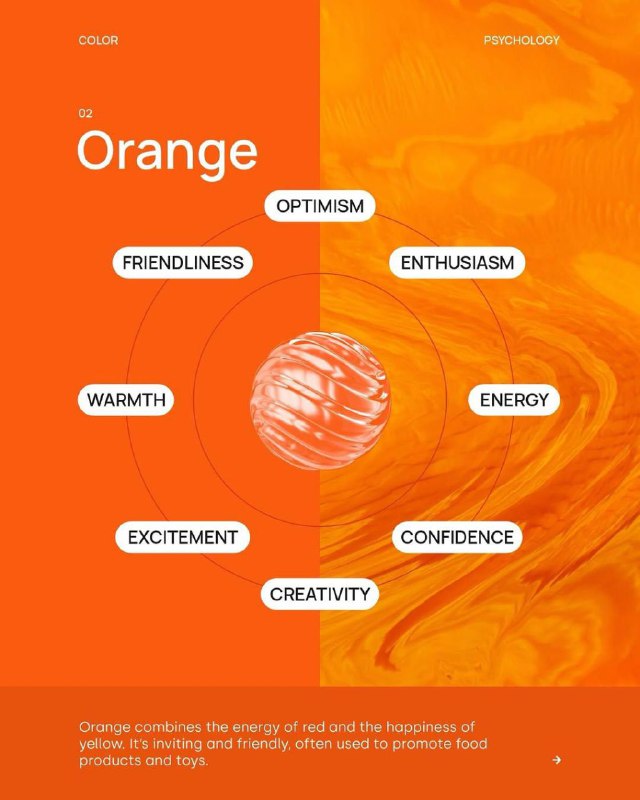
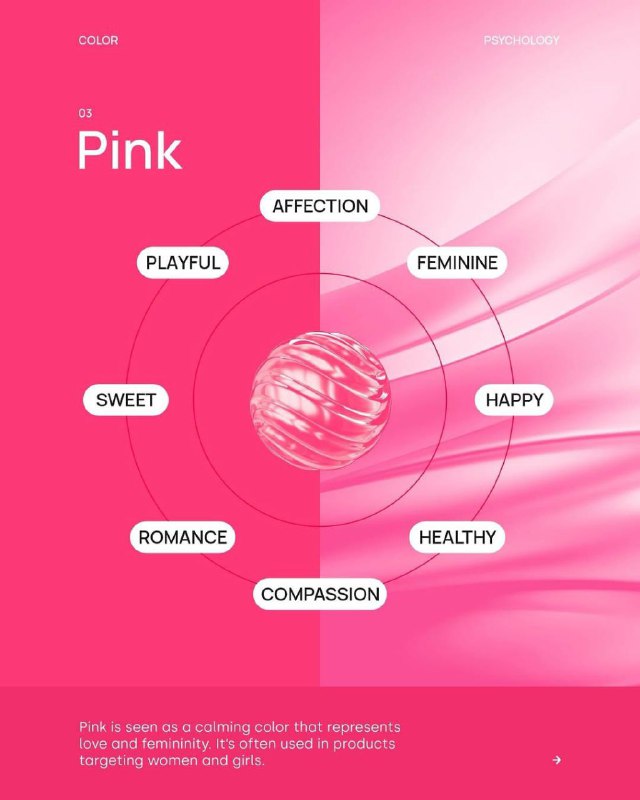
⏩ Color Theory:
Understand how colors work together and how they influence emotions and visual communication. Learn color harmony, contrast, saturation, palettes, RGB, CMYK, and how to choose colors for different design purposes.
⏩ Layout and Composition:
Learn how to arrange text, images, shapes, and other elements to create visually balanced designs. Study grids, spacing, proportions, alignment, and visual hierarchy.
⏩ Design Software:
Become comfortable with professional design tools such as Adobe Photoshop, Illustrator, and InDesign. Also explore modern tools such as Figma and Canva depending on your design goals.
⏩ Image Editing:
Learn how to edit and enhance images. Study cropping, resizing, color correction, retouching, masking, layers, selections, blending modes, and non-destructive editing.
⏩ Vector Graphics:
Learn how to create scalable graphics using vector-based design. Understand shapes, paths, curves, strokes, fills, and the creation of logos, icons, illustrations, and other graphics.
⏩ Branding and Visual Identity:
Learn how businesses create consistent visual identities. Study logo design, brand colors, typography, brand guidelines, and how to maintain consistency across different platforms.
⏩ UI and Digital Design:
Explore design for websites, mobile apps, social media, advertisements, and digital products. Learn basic UI principles, wireframing, visual hierarchy, and user-focused design.
⏩ Print Design:
Understand how to create designs for physical media such as brochures, posters, business cards, flyers, magazines, and packaging. Learn about print layouts, resolution, bleed, margins, and color modes.
⏩ Motion and Visual Effects:
Take your skills further by learning motion graphics and animation. Explore tools such as After Effects and learn how to create animated typography, transitions, promotional graphics, and visual effects.
⏩ Design for Social Media:
Learn how to create engaging visuals for platforms such as Instagram, YouTube, LinkedIn, and other digital channels. Understand platform dimensions, thumbnails, visual consistency, and attention-grabbing compositions.
⏩ Design Thinking and Creative Process:
Learn how professional designers approach problems. Practice research, brainstorming, moodboarding, sketching, creating concepts, receiving feedback, and refining designs.
⏩ Build a Portfolio:
Create a strong portfolio showcasing your best work. Include different types of projects such as branding, posters, social media designs, UI designs, illustrations, and advertisements.
⏩ Freelancing and Professional Skills:
Learn how to work with clients, understand project requirements, create proposals, price your work, manage revisions, meet deadlines, and present your designs professionally.
⏩ Continuous Learning and Industry Trends:
Graphic design constantly evolves. Stay updated with new design trends, tools, AI-powered design technologies, typography trends, visual styles, and creative techniques.
➡️ Graphic Design is a combination of creativity, visual communication, technical skills, and problem-solving. The best way to master it is to learn the fundamentals, practice regularly, study great designs, and build real-world projects.
React ❤️ for more
⏩ Design Fundamentals:
Start by understanding the core principles of graphic design. Learn about composition, balance, contrast, alignment, hierarchy, proximity, repetition, white space, and visual flow.
⏩ Typography:
Learn how to use text effectively in design. Understand fonts, typefaces, font pairing, hierarchy, spacing, readability, and how typography influences the overall mood of a design.
⏩ Color Theory:
Understand how colors work together and how they influence emotions and visual communication. Learn color harmony, contrast, saturation, palettes, RGB, CMYK, and how to choose colors for different design purposes.
⏩ Layout and Composition:
Learn how to arrange text, images, shapes, and other elements to create visually balanced designs. Study grids, spacing, proportions, alignment, and visual hierarchy.
⏩ Design Software:
Become comfortable with professional design tools such as Adobe Photoshop, Illustrator, and InDesign. Also explore modern tools such as Figma and Canva depending on your design goals.
⏩ Image Editing:
Learn how to edit and enhance images. Study cropping, resizing, color correction, retouching, masking, layers, selections, blending modes, and non-destructive editing.
⏩ Vector Graphics:
Learn how to create scalable graphics using vector-based design. Understand shapes, paths, curves, strokes, fills, and the creation of logos, icons, illustrations, and other graphics.
⏩ Branding and Visual Identity:
Learn how businesses create consistent visual identities. Study logo design, brand colors, typography, brand guidelines, and how to maintain consistency across different platforms.
⏩ UI and Digital Design:
Explore design for websites, mobile apps, social media, advertisements, and digital products. Learn basic UI principles, wireframing, visual hierarchy, and user-focused design.
⏩ Print Design:
Understand how to create designs for physical media such as brochures, posters, business cards, flyers, magazines, and packaging. Learn about print layouts, resolution, bleed, margins, and color modes.
⏩ Motion and Visual Effects:
Take your skills further by learning motion graphics and animation. Explore tools such as After Effects and learn how to create animated typography, transitions, promotional graphics, and visual effects.
⏩ Design for Social Media:
Learn how to create engaging visuals for platforms such as Instagram, YouTube, LinkedIn, and other digital channels. Understand platform dimensions, thumbnails, visual consistency, and attention-grabbing compositions.
⏩ Design Thinking and Creative Process:
Learn how professional designers approach problems. Practice research, brainstorming, moodboarding, sketching, creating concepts, receiving feedback, and refining designs.
⏩ Build a Portfolio:
Create a strong portfolio showcasing your best work. Include different types of projects such as branding, posters, social media designs, UI designs, illustrations, and advertisements.
⏩ Freelancing and Professional Skills:
Learn how to work with clients, understand project requirements, create proposals, price your work, manage revisions, meet deadlines, and present your designs professionally.
⏩ Continuous Learning and Industry Trends:
Graphic design constantly evolves. Stay updated with new design trends, tools, AI-powered design technologies, typography trends, visual styles, and creative techniques.
➡️ Graphic Design is a combination of creativity, visual communication, technical skills, and problem-solving. The best way to master it is to learn the fundamentals, practice regularly, study great designs, and build real-world projects.
React ❤️ for more
- ❤ 6