
The J2a2-PH358 subclade has been identified among representatives of the Jalayir and Teleu Kazakh tribes, and its origin may be associated with the bearers of the Bulan-Koby culture in the Altai region. This genetic lineage later became widespread during the era of the Turkic Khaganate and is now found among nearly all Turkic peoples. In addition, this subclade has also been detected among the Oirats, Chinese, Tajiks, and other populations.
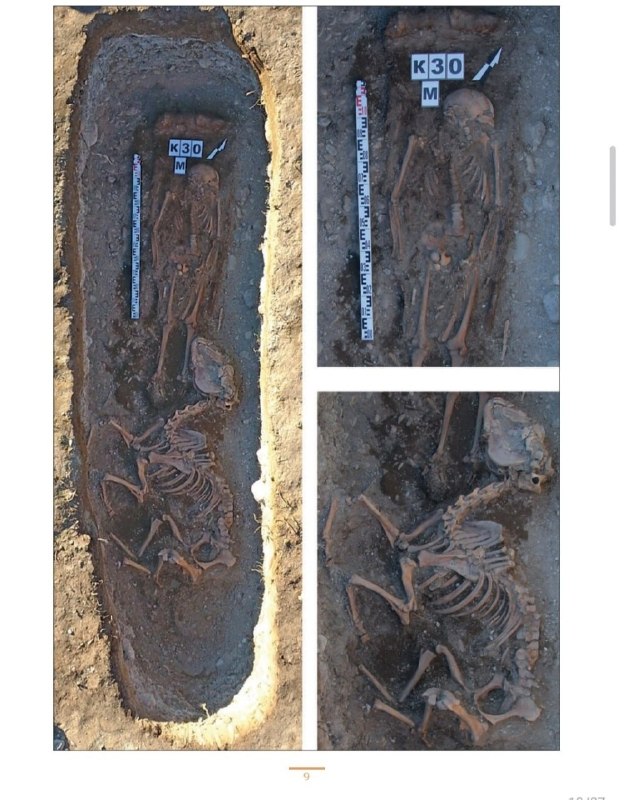
Researchers also associate the widespread practice of horse burials with the Bulan-Koby culture. This funerary tradition later became a characteristic cultural feature of the majority of Turkic peoples.
Furthermore, according to the as-yet unpublished research of Daniel Tabin, representatives of the Common Turkic Shaz linguistic branch share a common autosomal ancestral component. These findings support the hypothesis that the Bulan-Koby culture may have played a significant role in the formation of the early Turkic peoples.
Credit: QazaqDNA
Post #169
887


- ❤ 2
- 🥰 1