Find top SQL resources from global universities, cool projects, and learning materials for data analytics.
Admin: @coderfun
Useful links: heylink.me/DataAnalytics
Promotions: @love_data
Post #2046
2.76K
Best way to prepare for a SQL interviews 👇👇
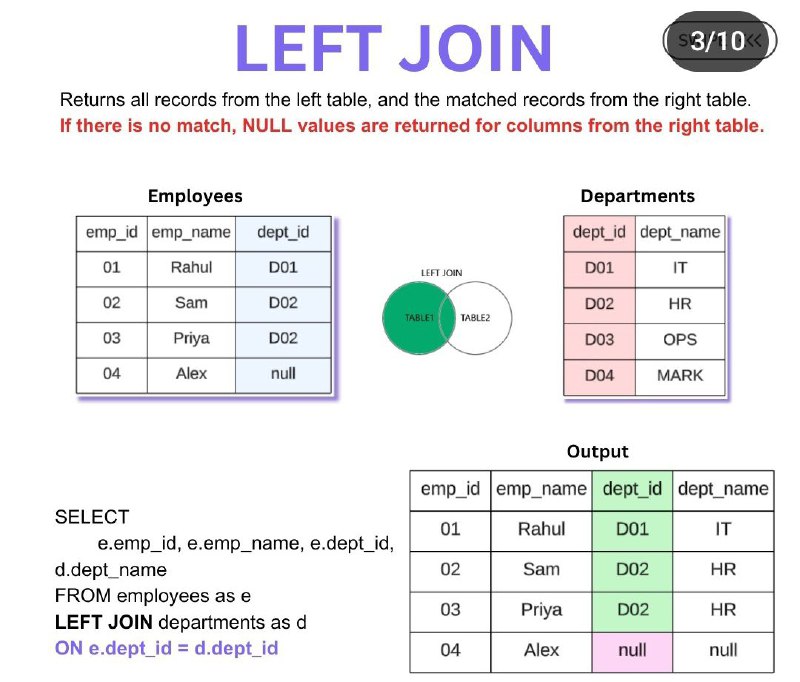
1. Review Basic Concepts: Ensure you understand fundamental SQL concepts like SELECT statements, JOINs, GROUP BY, and WHERE clauses.
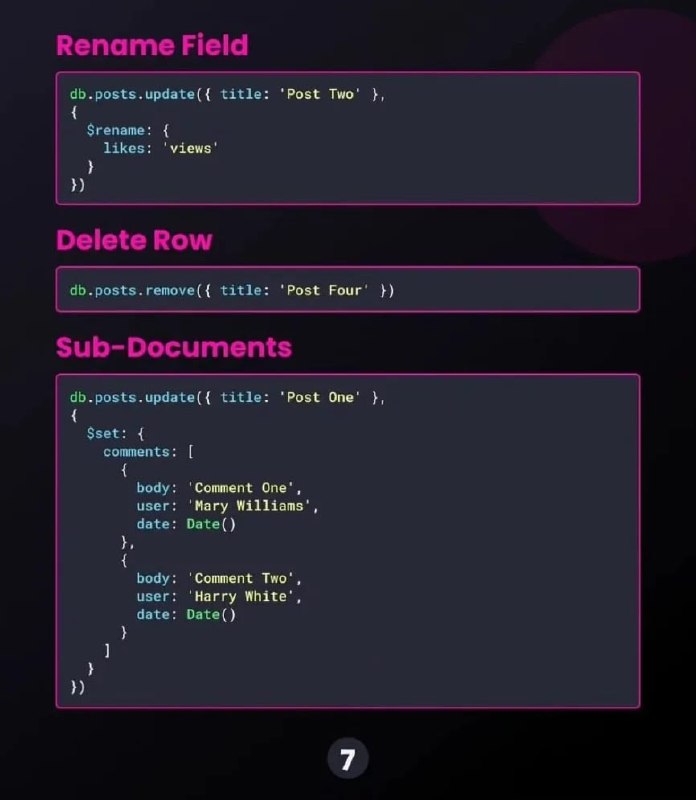
2. Practice SQL Queries: Work on writing and executing SQL queries. Practice retrieving, updating, and deleting data.
3. Understand Database Design: Learn about normalization, indexes, and relationships to comprehend how databases are structured.
4. Know Your Database: If possible, find out which database system the company uses (e.g., MySQL, PostgreSQL, SQL Server) and familiarize yourself with its specific syntax.
5. Data Types and Constraints: Understand various data types and constraints such as PRIMARY KEY, FOREIGN KEY, and UNIQUE constraints.
6. Stored Procedures and Functions: Learn about stored procedures and functions, as interviewers may inquire about these.
7. Data Manipulation Language (DML): Be familiar with INSERT, UPDATE, and DELETE statements.
8. Data Definition Language (DDL): Understand statements like CREATE, ALTER, and DROP for database and table management.
9. Normalization and Optimization: Brush up on database normalization and optimization techniques to demonstrate your understanding of efficient database design.
10. Troubleshooting Skills: Be prepared to troubleshoot queries, identify errors, and optimize poorly performing queries.
11. Scenario-Based Questions: Practice answering scenario-based questions. Understand how to approach problems and design solutions.
12. Latest Trends: Stay updated on the latest trends in database technologies and SQL best practices.
13. Review Resume Projects: If you have projects involving SQL on your resume, be ready to discuss them in detail.
14. Mock Interviews: Conduct mock interviews with a friend or use online platforms to simulate real interview scenarios.
15. Ask Questions: Prepare questions to ask the interviewer about the company's use of databases and SQL.
Best Resources to learn SQL 👇
SQL Topics for Data Analysts
Download SQL Cheatsheet
SQL Interview Questions
Learn & Practice SQL
Also try to apply what you learn through hands-on projects or challenges.
Please give us credits while sharing: -> https://t.me/free4unow_backup
ENJOY LEARNING 👍👍
1. Review Basic Concepts: Ensure you understand fundamental SQL concepts like SELECT statements, JOINs, GROUP BY, and WHERE clauses.
2. Practice SQL Queries: Work on writing and executing SQL queries. Practice retrieving, updating, and deleting data.
3. Understand Database Design: Learn about normalization, indexes, and relationships to comprehend how databases are structured.
4. Know Your Database: If possible, find out which database system the company uses (e.g., MySQL, PostgreSQL, SQL Server) and familiarize yourself with its specific syntax.
5. Data Types and Constraints: Understand various data types and constraints such as PRIMARY KEY, FOREIGN KEY, and UNIQUE constraints.
6. Stored Procedures and Functions: Learn about stored procedures and functions, as interviewers may inquire about these.
7. Data Manipulation Language (DML): Be familiar with INSERT, UPDATE, and DELETE statements.
8. Data Definition Language (DDL): Understand statements like CREATE, ALTER, and DROP for database and table management.
9. Normalization and Optimization: Brush up on database normalization and optimization techniques to demonstrate your understanding of efficient database design.
10. Troubleshooting Skills: Be prepared to troubleshoot queries, identify errors, and optimize poorly performing queries.
11. Scenario-Based Questions: Practice answering scenario-based questions. Understand how to approach problems and design solutions.
12. Latest Trends: Stay updated on the latest trends in database technologies and SQL best practices.
13. Review Resume Projects: If you have projects involving SQL on your resume, be ready to discuss them in detail.
14. Mock Interviews: Conduct mock interviews with a friend or use online platforms to simulate real interview scenarios.
15. Ask Questions: Prepare questions to ask the interviewer about the company's use of databases and SQL.
Best Resources to learn SQL 👇
SQL Topics for Data Analysts
Download SQL Cheatsheet
SQL Interview Questions
Learn & Practice SQL
Also try to apply what you learn through hands-on projects or challenges.
Please give us credits while sharing: -> https://t.me/free4unow_backup
ENJOY LEARNING 👍👍
- ❤ 4