Channel specialized for advanced concepts and projects to master:
* Python programming
* Web development
* Java programming
* Artificial Intelligence
* Machine Learning
Managed by: @love_data
Post #1868
1.99K
🔰 How to become a data scientist in 2025?
👨🏻💻 If you want to become a data science professional, follow this path! I've prepared a complete roadmap with the best free resources where you can learn the essential skills in this field.
🔢 Step 1: Strengthen your math and statistics!
✏️ The foundation of learning data science is mathematics, linear algebra, statistics, and probability. Topics you should master:
✅ Linear algebra: matrices, vectors, eigenvalues.
🔗 Course: MIT 18.06 Linear Algebra
✅ Calculus: derivative, integral, optimization.
🔗 Course: MIT Single Variable Calculus
✅ Statistics and probability: Bayes' theorem, hypothesis testing.
🔗 Course: Statistics 110
➖➖➖➖➖
🔢 Step 2: Learn to code.
✏️ Learn Python and become proficient in coding. The most important topics you need to master are:
✅ Python: Pandas, NumPy, Matplotlib libraries
🔗 Course: FreeCodeCamp Python Course
✅ SQL language: Join commands, Window functions, query optimization.
🔗 Course: Stanford SQL Course
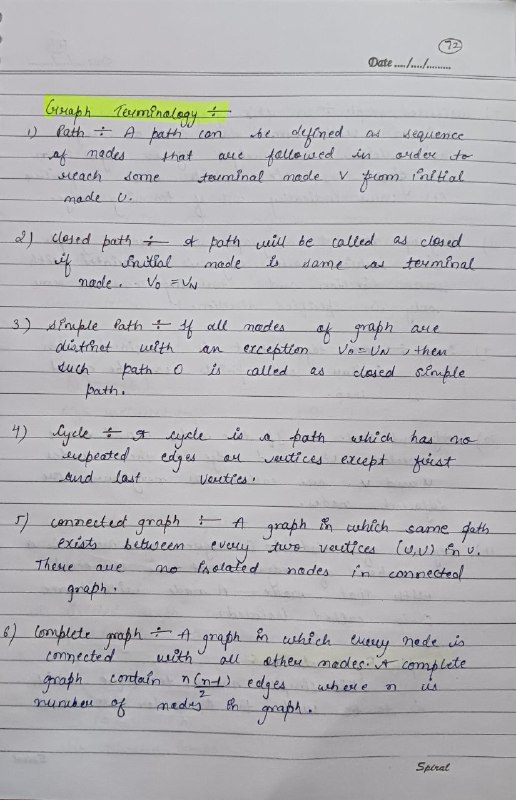
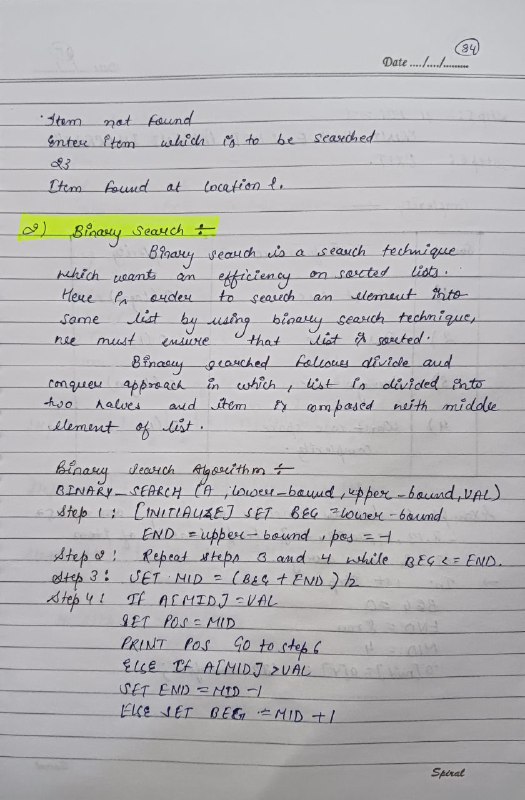
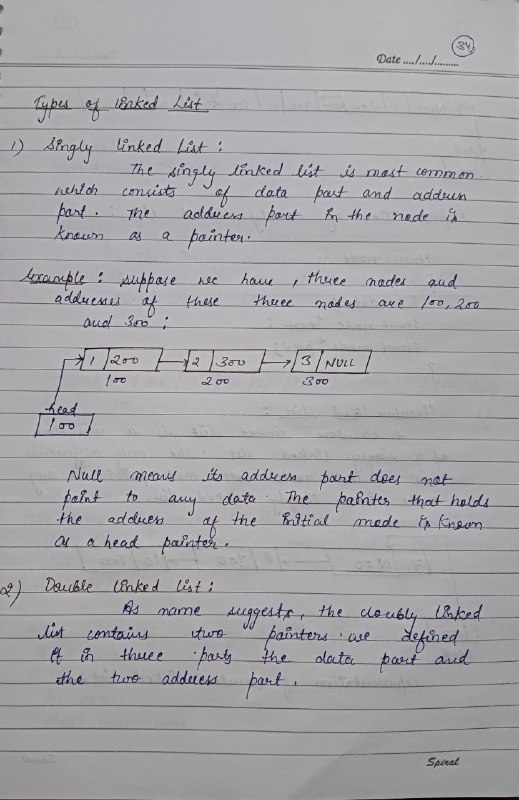
✅ Data structures and algorithms: arrays, linked lists, trees.
🔗 Course: MIT Introduction to Algorithms
➖➖➖➖➖
🔢 Step 3: Clean and visualize data
✏️ Learn how to process and clean data and then create an engaging story from it!
✅ Data cleaning: Working with missing values and detecting outliers.
🔗 Course: Data Cleaning
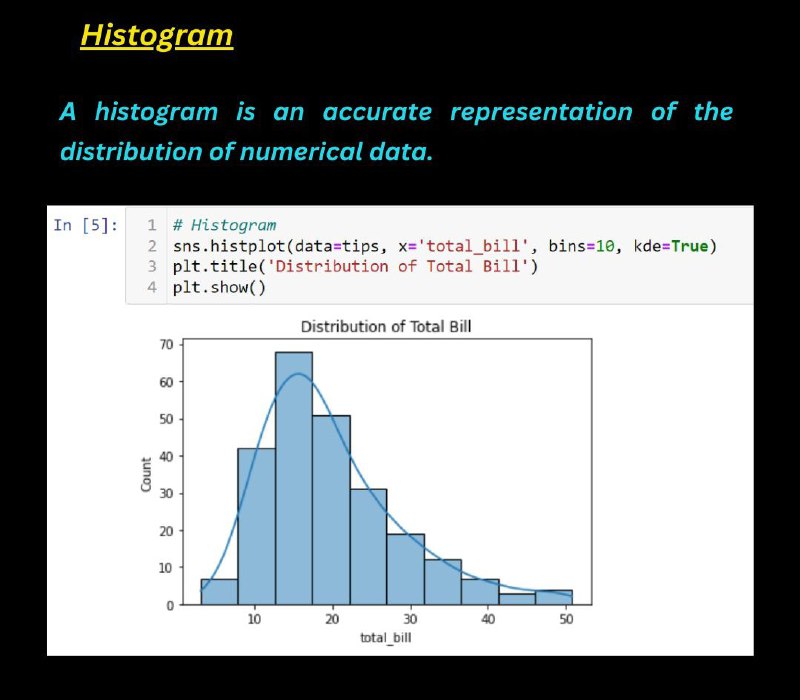
✅ Data visualization: Matplotlib, Seaborn, Tableau
🔗 Course: Data Visualization Tutorial
➖➖➖➖➖
🔢 Step 4: Learn Machine Learning
✏️ It's time to enter the exciting world of machine learning! You should know these topics:
✅ Supervised learning: regression, classification.
✅ Unsupervised learning: clustering, PCA, anomaly detection.
✅ Deep learning: neural networks, CNN, RNN
🔗 Course: CS229: Machine Learning
➖➖➖➖➖
🔢 Step 5: Working with Big Data and Cloud Technologies
✏️ If you're going to work in the real world, you need to know how to work with Big Data and cloud computing.
✅ Big Data Tools: Hadoop, Spark, Dask
✅ Cloud platforms: AWS, GCP, Azure
🔗 Course: Data Engineering
➖➖➖➖➖
🔢 Step 6: Do real projects!
✏️ Enough theory, it's time to get coding! Do real projects and build a strong portfolio.
✅ Kaggle competitions: solving real-world challenges.
✅ End-to-End projects: data collection, modeling, implementation.
✅ GitHub: Publish your projects on GitHub.
🔗 Platform: Kaggle🔗 Platform: ods.ai
➖➖➖➖➖
🔢 Step 7: Learn MLOps and deploy models
✏️ Machine learning is not just about building a model! You need to learn how to deploy and monitor a model.
✅ MLOps training: model versioning, monitoring, model retraining.
✅ Deployment models: Flask, FastAPI, Docker
🔗 Course: Stanford MLOps Course
➖➖➖➖➖
🔢 Step 8: Stay up to date and network
✏️ Data science is changing every day, so it is necessary to update yourself every day and stay in regular contact with experienced people and experts in this field.
✅ Read scientific articles: arXiv, Google Scholar
✅ Connect with the data community:
🔗 Site: Papers with code
🔗 Site: AI Research at Google
👨🏻💻 If you want to become a data science professional, follow this path! I've prepared a complete roadmap with the best free resources where you can learn the essential skills in this field.
🔢 Step 1: Strengthen your math and statistics!
✏️ The foundation of learning data science is mathematics, linear algebra, statistics, and probability. Topics you should master:
✅ Linear algebra: matrices, vectors, eigenvalues.
🔗 Course: MIT 18.06 Linear Algebra
✅ Calculus: derivative, integral, optimization.
🔗 Course: MIT Single Variable Calculus
✅ Statistics and probability: Bayes' theorem, hypothesis testing.
🔗 Course: Statistics 110
➖➖➖➖➖
🔢 Step 2: Learn to code.
✏️ Learn Python and become proficient in coding. The most important topics you need to master are:
✅ Python: Pandas, NumPy, Matplotlib libraries
🔗 Course: FreeCodeCamp Python Course
✅ SQL language: Join commands, Window functions, query optimization.
🔗 Course: Stanford SQL Course
✅ Data structures and algorithms: arrays, linked lists, trees.
🔗 Course: MIT Introduction to Algorithms
➖➖➖➖➖
🔢 Step 3: Clean and visualize data
✏️ Learn how to process and clean data and then create an engaging story from it!
✅ Data cleaning: Working with missing values and detecting outliers.
🔗 Course: Data Cleaning
✅ Data visualization: Matplotlib, Seaborn, Tableau
🔗 Course: Data Visualization Tutorial
➖➖➖➖➖
🔢 Step 4: Learn Machine Learning
✏️ It's time to enter the exciting world of machine learning! You should know these topics:
✅ Supervised learning: regression, classification.
✅ Unsupervised learning: clustering, PCA, anomaly detection.
✅ Deep learning: neural networks, CNN, RNN
🔗 Course: CS229: Machine Learning
➖➖➖➖➖
🔢 Step 5: Working with Big Data and Cloud Technologies
✏️ If you're going to work in the real world, you need to know how to work with Big Data and cloud computing.
✅ Big Data Tools: Hadoop, Spark, Dask
✅ Cloud platforms: AWS, GCP, Azure
🔗 Course: Data Engineering
➖➖➖➖➖
🔢 Step 6: Do real projects!
✏️ Enough theory, it's time to get coding! Do real projects and build a strong portfolio.
✅ Kaggle competitions: solving real-world challenges.
✅ End-to-End projects: data collection, modeling, implementation.
✅ GitHub: Publish your projects on GitHub.
🔗 Platform: Kaggle🔗 Platform: ods.ai
➖➖➖➖➖
🔢 Step 7: Learn MLOps and deploy models
✏️ Machine learning is not just about building a model! You need to learn how to deploy and monitor a model.
✅ MLOps training: model versioning, monitoring, model retraining.
✅ Deployment models: Flask, FastAPI, Docker
🔗 Course: Stanford MLOps Course
➖➖➖➖➖
🔢 Step 8: Stay up to date and network
✏️ Data science is changing every day, so it is necessary to update yourself every day and stay in regular contact with experienced people and experts in this field.
✅ Read scientific articles: arXiv, Google Scholar
✅ Connect with the data community:
🔗 Site: Papers with code
🔗 Site: AI Research at Google
#ArtificialIntelligence #AI #MachineLearning #LargeLanguageModels #LLMs #DeepLearning #NLP #NaturalLanguageProcessing #AIResearch #TechBooks #AIApplications #DataScience #FutureOfAI #AIEducation #LearnAI #TechInnovation #AIethics #GPT #BERT #T5 #AIBook #data
- ❤ 5