
Tracing the scattered records and testimonies of our ancestors and their covenant, race, migrations, faith, and inheritance from antiquity through the early Christian world.
@RP_HQ
Post #98
12
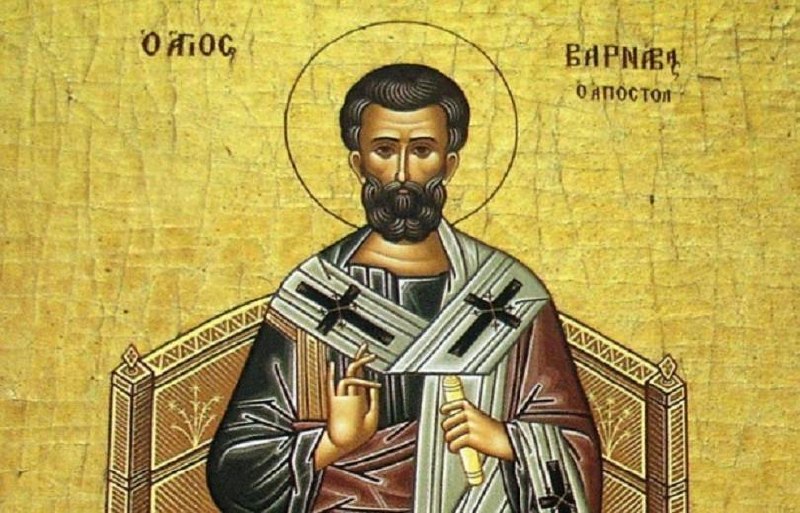
𝐏𝐀𝐓𝐑𝐈𝐌Ō𝐍𝐈𝐔𝐌 — 𝐀𝐍𝐓𝐄-𝐍𝐈𝐂𝐄𝐍𝐄 𝐒𝐓𝐔𝐃𝐈𝐄𝐒
𝐒𝐄𝐑𝐈𝐄𝐒 𝐕𝐈: 𝐓𝐇𝐄 𝐄𝐏𝐈𝐒𝐓𝐋𝐄 𝐎𝐅 𝐁𝐀𝐑𝐍𝐀𝐁𝐀𝐒
𝐈𝐍𝐓𝐑𝐎𝐃𝐔𝐂𝐓𝐈𝐎𝐍
We now come unto the work called the Epistle of Barnabas, an anonymous early Christian writing which was likely composed sometime between 70-120 AD, placing it within that early period in which the destruction of the Temple and those who still stood considerably close to the Apostolic age.
Although later tradition attached the name of Barnabas unto this epistle, the writing itself never identifies its author by name, nor does the author present himself as an Apostle. In fact, he deliberately lowers himself before those to whom he writes, saying:
This makes confusion of attributions in which later traditions may speak with greater certainty concerning the identity and authority of the author than the author ever speaks concerning himself. He does not introduce himself as Barnabas, as an Apostle, or even as a teacher.
Ad fontes.
𝐒𝐄𝐑𝐈𝐄𝐒 𝐕𝐈: 𝐓𝐇𝐄 𝐄𝐏𝐈𝐒𝐓𝐋𝐄 𝐎𝐅 𝐁𝐀𝐑𝐍𝐀𝐁𝐀𝐒
𝐈𝐍𝐓𝐑𝐎𝐃𝐔𝐂𝐓𝐈𝐎𝐍
We now come unto the work called the Epistle of Barnabas, an anonymous early Christian writing which was likely composed sometime between 70-120 AD, placing it within that early period in which the destruction of the Temple and those who still stood considerably close to the Apostolic age.
Although later tradition attached the name of Barnabas unto this epistle, the writing itself never identifies its author by name, nor does the author present himself as an Apostle. In fact, he deliberately lowers himself before those to whom he writes, saying:
But I, not as though I were a teacher, but as one of yourselves, will show forth a few things…
This makes confusion of attributions in which later traditions may speak with greater certainty concerning the identity and authority of the author than the author ever speaks concerning himself. He does not introduce himself as Barnabas, as an Apostle, or even as a teacher.
Ad fontes.

