GraphML News (Dec 2nd) - RelBench, GNoME, and 3 roasts of the weekThe LoG’23 conference took place this week (along with numerous local meetups!) and all the steam recordings are already available on the
YouTube channel including tutorials and keynotes by Jure Leskovec, Andreas Loukas, Stefanie Jegelka, and Kyle Cranmer — check them out over the weekend!
➡️ One of the huge LoG announcements is
RelBench — a new benchmark for Relational Deep Learning introduced by Jure Leskovec and the PyG / TorchFrame team behind it. RelBench poses temporal classification and regression tasks over large tables that can be represented as multi-partite graphs (each row from each table is a unique node). Jure also hinted that temporal hypergraphs can be even more efficient. The first 🔥 roast of the week 🔥 goes to Jure for noticing all those modern graph databases being orders of magnitude slower for such tasks. Time to sell GDBMS stocks? 📉
⚛️ The second big announcement is
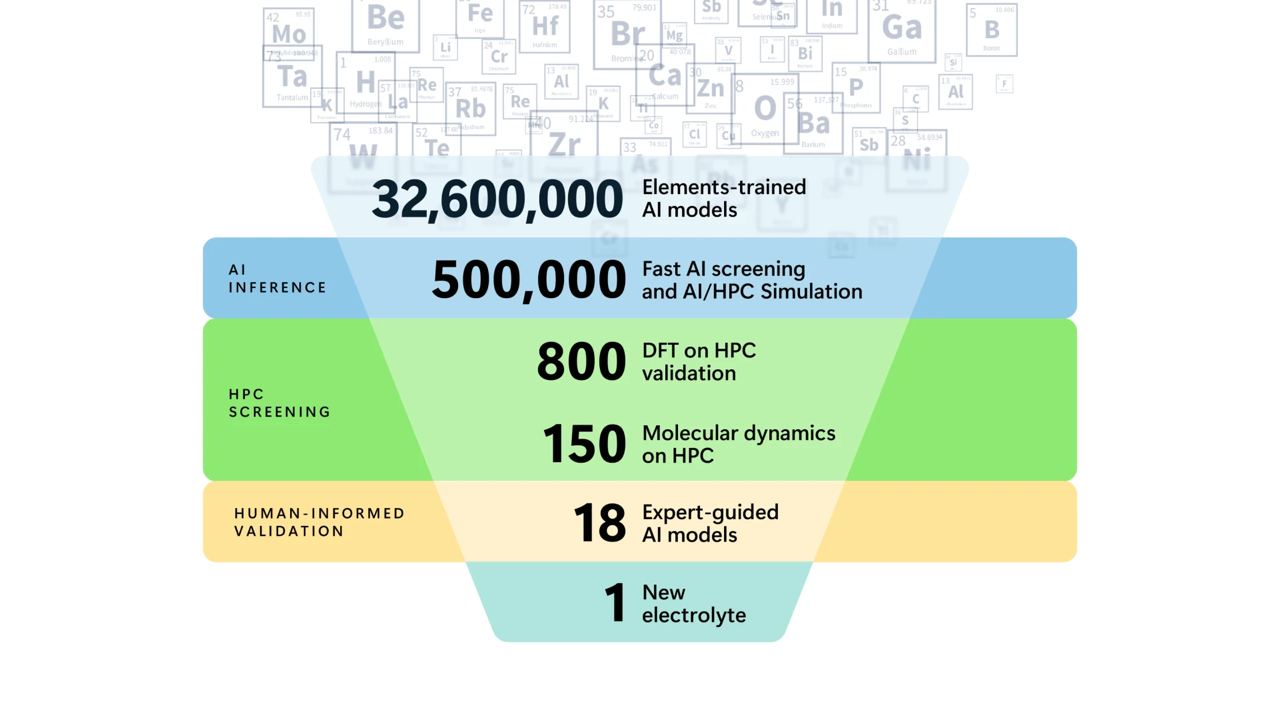
GNoME from Google DeepMind - a GNN-based system that discovered 2.2M new crystal structures including about 380k stable structures. GNoME traces were already there in the Materials Project database since spring, and now we see a full release upon the
publication in Nature. Practically, GNoME consists of two GNNs - a simple MPNN as a composition model and
NequIP as a structural model for interatomic potentials. GNoME demonstrates impressive scaling capabilities and features sophisticated pipelines involving DFT calculations and active learning loops. The code and data are
published on GitHub and we can enjoy the JAX implementation of NequIP - time to jump on the tensor product train 🚂 if you haven’t yet.
The GNoMe project spawned
another accepted Nature paper on the experimental side of creating those materials in the automated lab, and it spawned quite some active community discussion. The second 🔥 roast of the week 🔥 goes to Robert Palgrave from UCL for
highlighting many issues of that paper that might have been swept under the rug and compromised the methodology.
Weekend reading:Relational Deep Learning: Graph Representation Learning on Relational Databases by Matthias Fey, Weihua Hu, Kexin Huang, Jan Eric Lenssen, Rishabh Ranjan, Joshua Robinson, and Kumo + Stanford team. The RelBench paper
Scaling deep learning for materials discovery by Amil Merchant, Simon Batzner, et al. The GNoME paper.
Generating Molecular Conformer Fields by Wang et al and Apple - turns out a simple diffusion model without fancy equivariances can beat GeoDiff and Torsional Diffusion in conformer generation. Definitely deserves the third 🔥 roast of the week 🔥