NASA has just released about 800 gigabytes of scientific data generated by the Artemis II mission. The archive documenting the astronauts’ return to the far side of the moon includes 11,000 full-resolution images and videos, 8.5 hours of spoken observations, notes taken by the astronauts, transcripts, and photographs from the cameras aboard the Orion capsule.
The space agency describes this effort as the first set of planetary science data obtained outside Earth and—for the most part—directly by humans in more than half a century. The closest comparable precedent dates back to the Apollo era and its missions to the lunar surface.
In addition to the public database, NASA released three reports summarizing what was learned during the first crewed spacecraft mission to approach the moon in five decades. These are the Artemis II Preliminary Lunar Science Report, the Artemis II Lunar Science Operations Report, and the Artemis II Lunar Science Data User Guide.
Anyone can access the near terabyte of data, though the release is primarily intended for the scientific community. While the astronauts capture and collect the data during the mission, it’s the researchers on Earth who will be able to analyze it and produce new findings about the moon. The information may be particularly useful for planetary geologists, flight engineers, heliophysicists, experts in telecommunications and remote sensing, as well as specialists in meteoroid impacts.
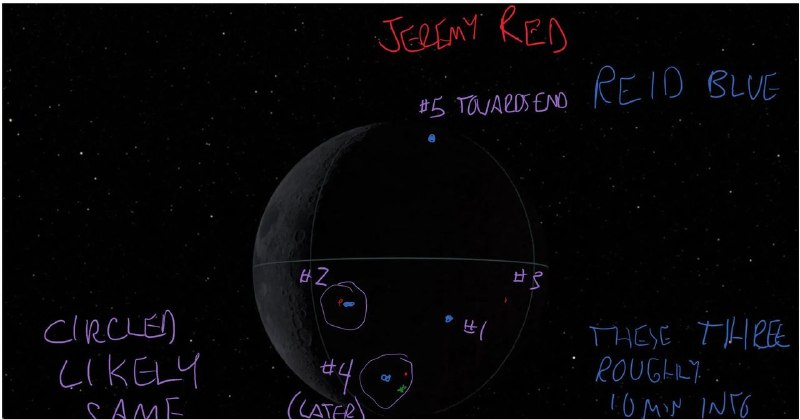
For space and astronomy enthusiasts, some of the most accessible materials include mission transcripts and lunar photographs annotated by the astronauts themselves. NASA has centralized access through its Planetary Data System, the public repository where it stores data from its planetary missions. In the section dedicated to the moon, users can access Artemis II and browse the various available collections, documents, and files...
Source: Wired
@EverythingScience