Nigeria tracks critics faster than kidnappers
Surveillance control · 16.10.2026
NYSC graduate Ajibare Oluwasegun posted on social media that the Moro bridge in Kwara State had collapsed right after repairs — repairs paid for with public money. Shortly after, he was tracked down, arrested in Osun, driven 70 kilometers to Ilorin, and sent to Oke-Kura prison — not an SSS detention facility, but an actual prison, alongside convicted criminals. For criticizing a bridge. The head of SSS digital surveillance, Musa Jude, boasts about the agency's technical capabilities but refused to reveal tracking details — apparently tracking a university graduate counts as a trade secret.
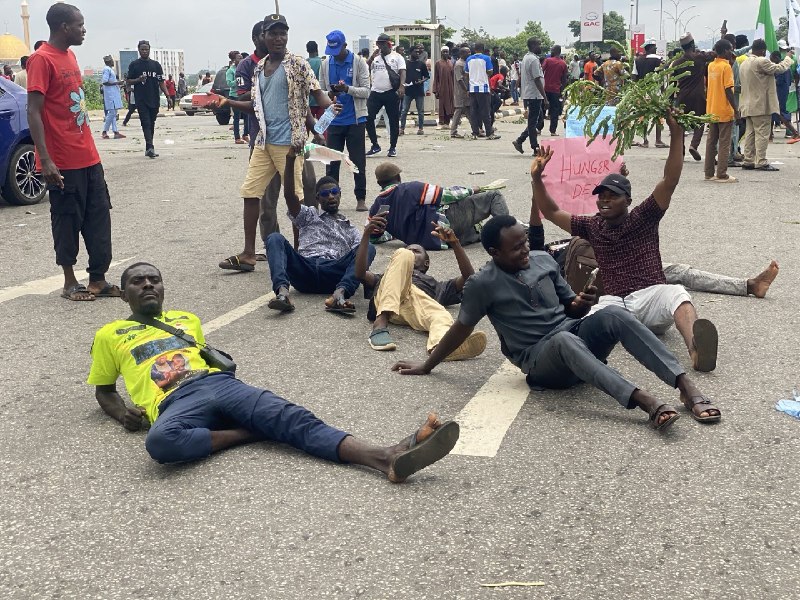
This isn't an isolated case. Activist Musa Tsaragi, who organized a protest against rising crime, was also tracked down — three police vehicles showed up at his place in Abuja at three in the afternoon. Afterward, he changed all his phone numbers. His logical question: if the security services have such powerful trackers, why don't they catch kidnappers instead of protesters?
Akande Daniel was arrested for the #EndBadGovernance protest right inside a church, held in a basement for two months, and charged with terrorism. Before the arrest, he received calls from unknown numbers and suspicious links — the classic playbook. The court ultimately acquitted him, along with ten others.
Now for the numbers. Nigeria is Africa's biggest buyer of surveillance tools: $12 per capita, with contracts from vendors in Israel, Britain, the US, China, and the EU. Between 2013 and 2022, at least $2.7 billion was spent on these tools, and spyware imports from 2015 to 2024 are estimated at $6.61 billion. The SSS — the very agency that caught Oluwasegun — received 5.56 billion naira over five years of budgeting. The police alone allocated 7.5 billion naira in 2023 for a tracking system, plus another 4 billion for upgrading the COBWEB platform.
Meanwhile, Article 37 of the constitution explicitly protects the privacy of correspondence and calls, and interception legally requires a court warrant. In practice, the security services find activists more efficiently than they find kidnappers in the forests — apparently, critics of the government leave a more convenient digital trail than armed gangs do.
Source: https://www.icirnigeria.org/from-shrinking-to-dying-how-nigeria-is-suffocating-civic-space-with-surveillance/
Post #250
79